

Share
26th April 2016
05:43pm BST

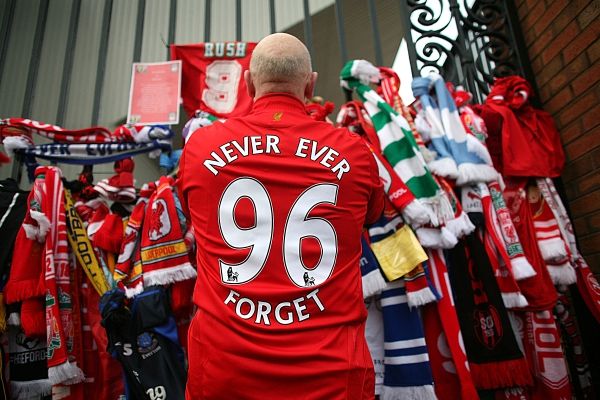 The cover-up denied the humanity of the supporters in the most grotesque way. This was a failure of catastrophic proportions which on Tuesday was found to be unlawful killing, but killings that were entirely in keeping with the dehumanisation of football fans in the 1980s.
Hillsborough had problems as far back as 1981 when Spurs played Wolves there in an FA Cup semi-final. 38 people were injured and police moved fans out of the Leppings Lane to avoid fatalities during that game. “Bollocks - nobody would have been killed,” the Sheffield Wednesday chairman said when he heard of the police’s decision.
“People are only interested in football fans when they’re dead,” a Spurs fan wrote in a letter to Liverpool’s secretary Peter Robinson after Hillsborough, as he recalled that game.
It turned out many weren’t really interested in dead football fans either, as the treatment of those who lay in the gym at Hillsborough which had become a temporary morgue made clear.
The cover-up denied the humanity of the supporters in the most grotesque way. This was a failure of catastrophic proportions which on Tuesday was found to be unlawful killing, but killings that were entirely in keeping with the dehumanisation of football fans in the 1980s.
Hillsborough had problems as far back as 1981 when Spurs played Wolves there in an FA Cup semi-final. 38 people were injured and police moved fans out of the Leppings Lane to avoid fatalities during that game. “Bollocks - nobody would have been killed,” the Sheffield Wednesday chairman said when he heard of the police’s decision.
“People are only interested in football fans when they’re dead,” a Spurs fan wrote in a letter to Liverpool’s secretary Peter Robinson after Hillsborough, as he recalled that game.
It turned out many weren’t really interested in dead football fans either, as the treatment of those who lay in the gym at Hillsborough which had become a temporary morgue made clear.
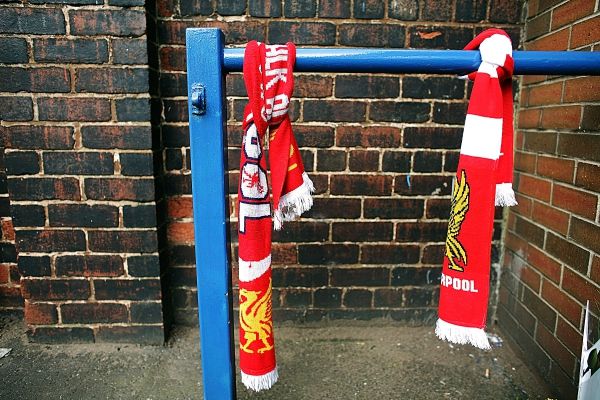 Football fans – dead or alive – could be mistreated and defamed. The police checked the criminal records of those who died to see if they could impugn their reputations.
At its most brutal, the cover up involved checking the alcohol blood levels from those who died, including a 10-year-old boy, to back up the story that “tanked up” supporters had caused the disaster.
This was dismissed by the jury at the inquest, a finding as important as the verdict of unlawful killing, as it was another lie the families and the survivors had to fight every day.
In 1991, the first inquest delivered a finding of accidental death. It refused to hear evidence about the medical response after the 3.15 pm cut-off point as the coroner declared that the 96 had been dead or couldn’t have been revived after that time.
The families fought with extraordinary and heartbreaking determination to overturn this decision. Anne Williams died in 2013, but she lived to see the High Court in London quash the original inquest verdict.
Football fans – dead or alive – could be mistreated and defamed. The police checked the criminal records of those who died to see if they could impugn their reputations.
At its most brutal, the cover up involved checking the alcohol blood levels from those who died, including a 10-year-old boy, to back up the story that “tanked up” supporters had caused the disaster.
This was dismissed by the jury at the inquest, a finding as important as the verdict of unlawful killing, as it was another lie the families and the survivors had to fight every day.
In 1991, the first inquest delivered a finding of accidental death. It refused to hear evidence about the medical response after the 3.15 pm cut-off point as the coroner declared that the 96 had been dead or couldn’t have been revived after that time.
The families fought with extraordinary and heartbreaking determination to overturn this decision. Anne Williams died in 2013, but she lived to see the High Court in London quash the original inquest verdict.
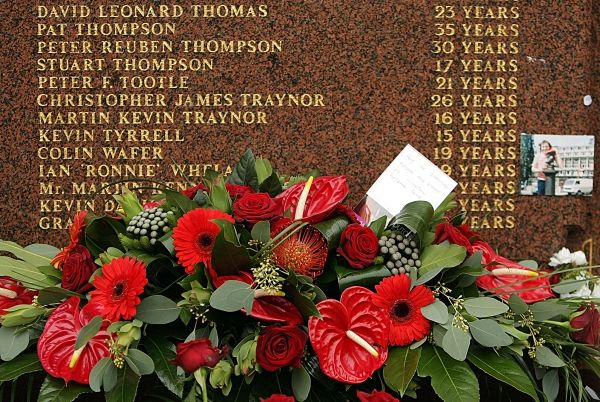
 Her 15-year-old son Kevin had been killed – unlawfully killed – at Hillsborough, but Williams discovered that he had been alive shortly before 4pm, when he had opened his eyes and said one word, ‘Mum’.
At the new inquest in Warrington, the families spent weeks providing background statements. They told the stories of their lost fathers, their lost brothers, their lost mothers, their lost daughters and their lost sisters. And, so often, their lost sons.
“The events had never been examined in this detail before,” says James Mehigan, a barrister who worked at the inquest with the legal firm representing 77 of the families at the new hearing.
The inquest sat for more than 300 days, the longest running legal case heard in front of a jury in Britain. If the families had been mistreated and ignored for 25 years, this hearing would treat them with respect, although the verdict delivered by the jury was the most important thing.
The inquest spent time hearing the statements about the dead from family members and every one was a heartbreaking tale of loss and incomprehension.
Her 15-year-old son Kevin had been killed – unlawfully killed – at Hillsborough, but Williams discovered that he had been alive shortly before 4pm, when he had opened his eyes and said one word, ‘Mum’.
At the new inquest in Warrington, the families spent weeks providing background statements. They told the stories of their lost fathers, their lost brothers, their lost mothers, their lost daughters and their lost sisters. And, so often, their lost sons.
“The events had never been examined in this detail before,” says James Mehigan, a barrister who worked at the inquest with the legal firm representing 77 of the families at the new hearing.
The inquest sat for more than 300 days, the longest running legal case heard in front of a jury in Britain. If the families had been mistreated and ignored for 25 years, this hearing would treat them with respect, although the verdict delivered by the jury was the most important thing.
The inquest spent time hearing the statements about the dead from family members and every one was a heartbreaking tale of loss and incomprehension.
 Football has changed in the years since Hillsborough, football changed because of Hillsborough, but the families of those who died were condemned to live the same day over and over again.
“My brother's life was like a book that had a title, an introduction, described the characters, set the scene and then someone ripped out the rest of the pages," Julie Fallon told the inquest as she recalled the life of her brother Andrew Sefton who was 23 when he was unlawfully killed.
“An incompleteness that was, for my deceased parents, and continues to be for my own family, the central, longest, most overriding topic of the last 25 years of our lives. We no longer have an inkling of what life without Hillsborough looks like, and ironically neither did my brother.”
The families have fought for justice and the families have died as they fought. “This is the culmination of their campaign of extraordinary doggedness,” Mehigan says. “It’s not the lawyers who achieved it, it’s the families."
https://twitter.com/SportsJOEdotie/status/724920178945961984
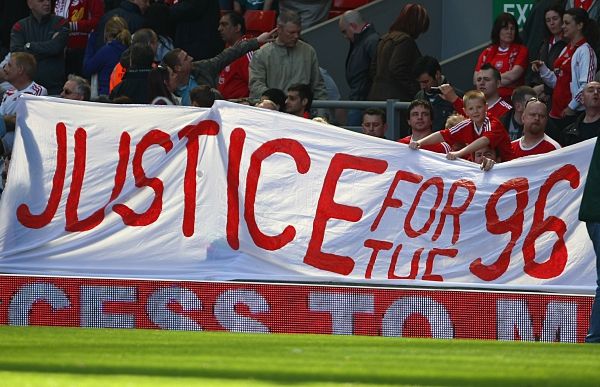
The families were told to accept a version of events they knew to be a lie. They were told it was the truth. They were told their sons and daughters were complicit in their deaths and they fought on to demolish the slanders.
The police called their cover-up “evidence gathering”, but they were helped by an establishment willing to believe all they said about football fans and about Liverpool.
“A real smear was put upon the character of the city,” Mehigan says. It was a smear the jury rejected when they unanimously found that the fans did not contribute to the disaster.
Football has changed in the years since Hillsborough, football changed because of Hillsborough, but the families of those who died were condemned to live the same day over and over again.
“My brother's life was like a book that had a title, an introduction, described the characters, set the scene and then someone ripped out the rest of the pages," Julie Fallon told the inquest as she recalled the life of her brother Andrew Sefton who was 23 when he was unlawfully killed.
“An incompleteness that was, for my deceased parents, and continues to be for my own family, the central, longest, most overriding topic of the last 25 years of our lives. We no longer have an inkling of what life without Hillsborough looks like, and ironically neither did my brother.”
The families have fought for justice and the families have died as they fought. “This is the culmination of their campaign of extraordinary doggedness,” Mehigan says. “It’s not the lawyers who achieved it, it’s the families."
https://twitter.com/SportsJOEdotie/status/724920178945961984
The families were told to accept a version of events they knew to be a lie. They were told it was the truth. They were told their sons and daughters were complicit in their deaths and they fought on to demolish the slanders.
The police called their cover-up “evidence gathering”, but they were helped by an establishment willing to believe all they said about football fans and about Liverpool.
“A real smear was put upon the character of the city,” Mehigan says. It was a smear the jury rejected when they unanimously found that the fans did not contribute to the disaster.
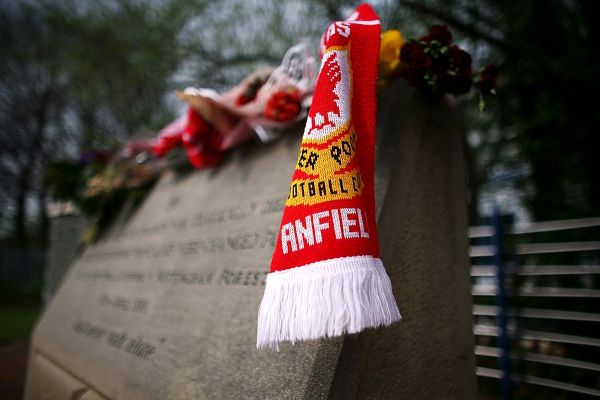 Mehigan has spent two years working at the inquest, watching with admiration as the families fought once more. “They have been an inspirational group of people. It has been extraordinary to see them fight for their families and for their city.”
The families fought for a truth they knew instinctively: they fought because the people they loved had been killed - unlawfully killed - because of the failings of those who were supposed to protect them. They fought when many told them to stop. They fought until finally the world listened and they had justice. But they had always known the truth. Sometimes the bastards cannot grind you down.
Mehigan has spent two years working at the inquest, watching with admiration as the families fought once more. “They have been an inspirational group of people. It has been extraordinary to see them fight for their families and for their city.”
The families fought for a truth they knew instinctively: they fought because the people they loved had been killed - unlawfully killed - because of the failings of those who were supposed to protect them. They fought when many told them to stop. They fought until finally the world listened and they had justice. But they had always known the truth. Sometimes the bastards cannot grind you down.Explore more on these topics:


