

Share
11th November 2020
01:44pm GMT

"I am a little bit disappointed that players are going to go as far as Africa to play matches," Hodgson is reported as saying on the club's official website. "I don’t know that in this Covid environment in which we live, it is really great news to be sending your players to places like Sudan and Mauritius."
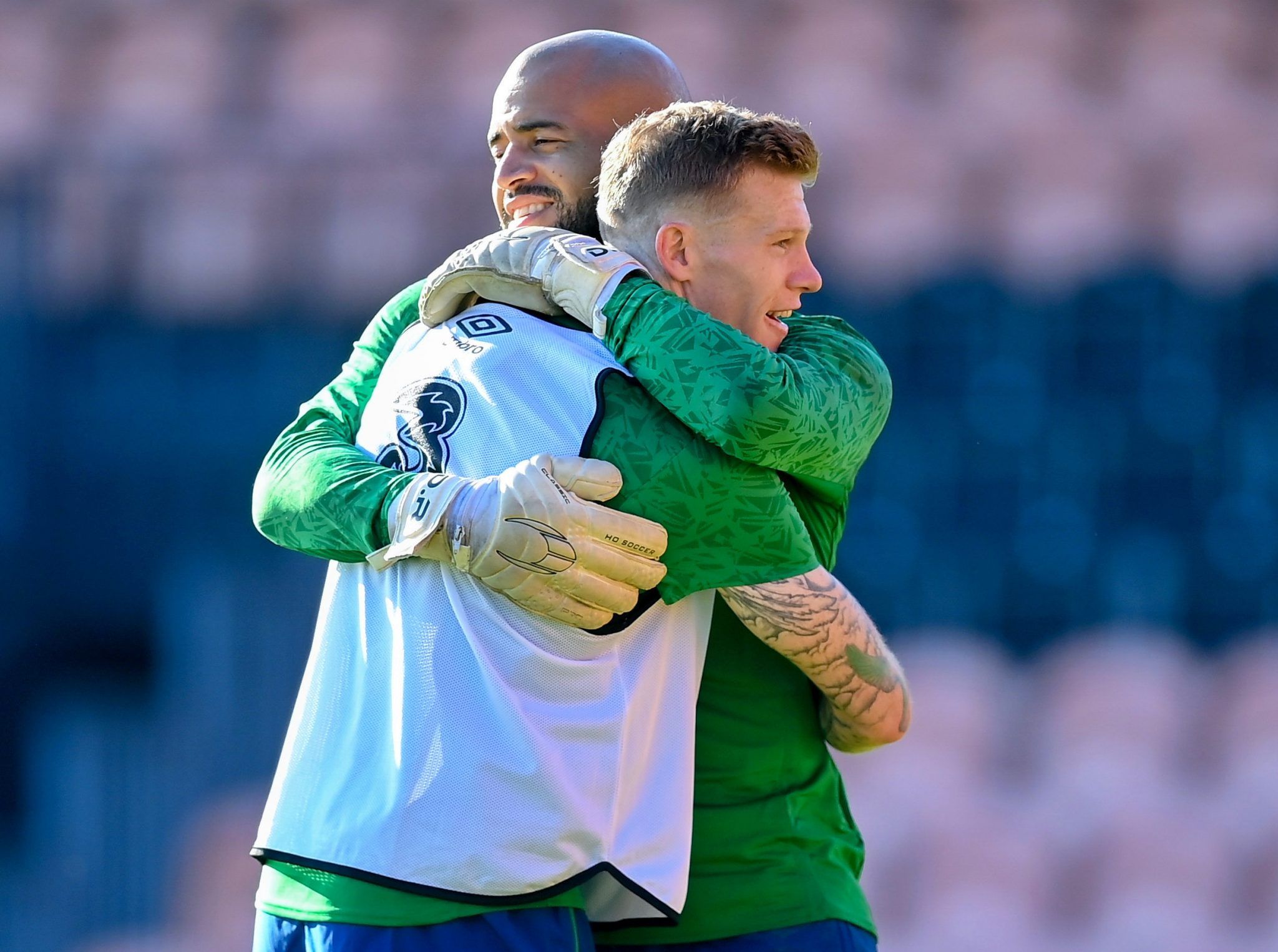 Sudan and Mauritius are having their own struggles, but what country isn't? Ireland, who are based in London before their friendly with England, have lost Calum Robinson due to a positive Covid test. Aaron Connolly has picked up an injury in training with his country and is now out for the next few weeks.
As for Denmark, their plans for a friendly encounter have reached farcical levels:
https://twitter.com/larssivertsen/status/1326513487611310081
Even with England in the grips of Lockdown 2.0, there are no imminent plans to halt the Premier League as happened in the spring. This is the case in most of Europe's premier domestic leagues and is entirely down to the successful procedures in place. So why jeopardise it?
Would this Covid world in which we find ourselves really have cared too much if the Uefa Nations League - a competition still in its relative infancy - was shelved for a while? Is there really such a desperate need for England to find a way to play their game with Iceland in Albania, or hastily arrange a friendly with the Ireland in place of New Zealand cancelling the originally scheduled game?
The answer to all of these questions will, to an extent, inevitably come back to money. It's only right to point out that some national federations rely on the finances generated by international fixtures to operate their own domestic leagues. Not all have the luxury of being propped up by multi-hundred-million-pound TV deals.
But with a vaccine potentially on its way in a matter of weeks and genuine light at the end of the coronavirus tunnel, it is reasonable to ask if postponing this international break until a later date would have been a logical decision to avoid further knock-on effects domestically. At the very least, it is pertinent to wonder why football has blindly ploughed on, seemingly without any semblance of a contingency plan in place.
Given the context of the wider world at this moment in time, it is difficult to argue that this is an international break that needs to happen. In going ahead, it risks generating avoidable problems for domestic football in the weeks to come, and undoing much of the hard work which has allowed football to continue in relative normalcy over recent months.
Sudan and Mauritius are having their own struggles, but what country isn't? Ireland, who are based in London before their friendly with England, have lost Calum Robinson due to a positive Covid test. Aaron Connolly has picked up an injury in training with his country and is now out for the next few weeks.
As for Denmark, their plans for a friendly encounter have reached farcical levels:
https://twitter.com/larssivertsen/status/1326513487611310081
Even with England in the grips of Lockdown 2.0, there are no imminent plans to halt the Premier League as happened in the spring. This is the case in most of Europe's premier domestic leagues and is entirely down to the successful procedures in place. So why jeopardise it?
Would this Covid world in which we find ourselves really have cared too much if the Uefa Nations League - a competition still in its relative infancy - was shelved for a while? Is there really such a desperate need for England to find a way to play their game with Iceland in Albania, or hastily arrange a friendly with the Ireland in place of New Zealand cancelling the originally scheduled game?
The answer to all of these questions will, to an extent, inevitably come back to money. It's only right to point out that some national federations rely on the finances generated by international fixtures to operate their own domestic leagues. Not all have the luxury of being propped up by multi-hundred-million-pound TV deals.
But with a vaccine potentially on its way in a matter of weeks and genuine light at the end of the coronavirus tunnel, it is reasonable to ask if postponing this international break until a later date would have been a logical decision to avoid further knock-on effects domestically. At the very least, it is pertinent to wonder why football has blindly ploughed on, seemingly without any semblance of a contingency plan in place.
Given the context of the wider world at this moment in time, it is difficult to argue that this is an international break that needs to happen. In going ahead, it risks generating avoidable problems for domestic football in the weeks to come, and undoing much of the hard work which has allowed football to continue in relative normalcy over recent months.
Explore more on these topics:


