

Share
23rd July 2018
08:56pm BST

 Gordon was initially concerned the CEO’s desire to leave could have an unsettling effect during a period of increasing positivity.
Liverpool were finally led by the man the owners had coveted since 2011, there was greater stability across all departments and the Anfield side had just suffered defeat on penalties to Manchester City in the League Cup final, but had triumphed against Manchester United to progress to the Europa League quarters.
Gordon did not want a deviation in the rising trajectory, but he need not have worried.
Edwards seamlessly assumed football development responsibilities during the changeover and had long enjoyed Klopp’s respect as well as confidence given he’d been making big decisions on the recruitment end quite often since the 51-year-old was hired.
The connection between the pair was augmented following Ayre’s communique and his subsequent exit.
They are markedly different characters - Klopp is gregarious while Edwards finds comfort in keeping a low profile - but are meshed by their avidity to propel Liverpool to the frontline of the game domestically and on the continent.
There was no great ‘click’ moment for the duo with the success of their relationship being the mundane, authentic element of it.
Gordon was initially concerned the CEO’s desire to leave could have an unsettling effect during a period of increasing positivity.
Liverpool were finally led by the man the owners had coveted since 2011, there was greater stability across all departments and the Anfield side had just suffered defeat on penalties to Manchester City in the League Cup final, but had triumphed against Manchester United to progress to the Europa League quarters.
Gordon did not want a deviation in the rising trajectory, but he need not have worried.
Edwards seamlessly assumed football development responsibilities during the changeover and had long enjoyed Klopp’s respect as well as confidence given he’d been making big decisions on the recruitment end quite often since the 51-year-old was hired.
The connection between the pair was augmented following Ayre’s communique and his subsequent exit.
They are markedly different characters - Klopp is gregarious while Edwards finds comfort in keeping a low profile - but are meshed by their avidity to propel Liverpool to the frontline of the game domestically and on the continent.
There was no great ‘click’ moment for the duo with the success of their relationship being the mundane, authentic element of it.
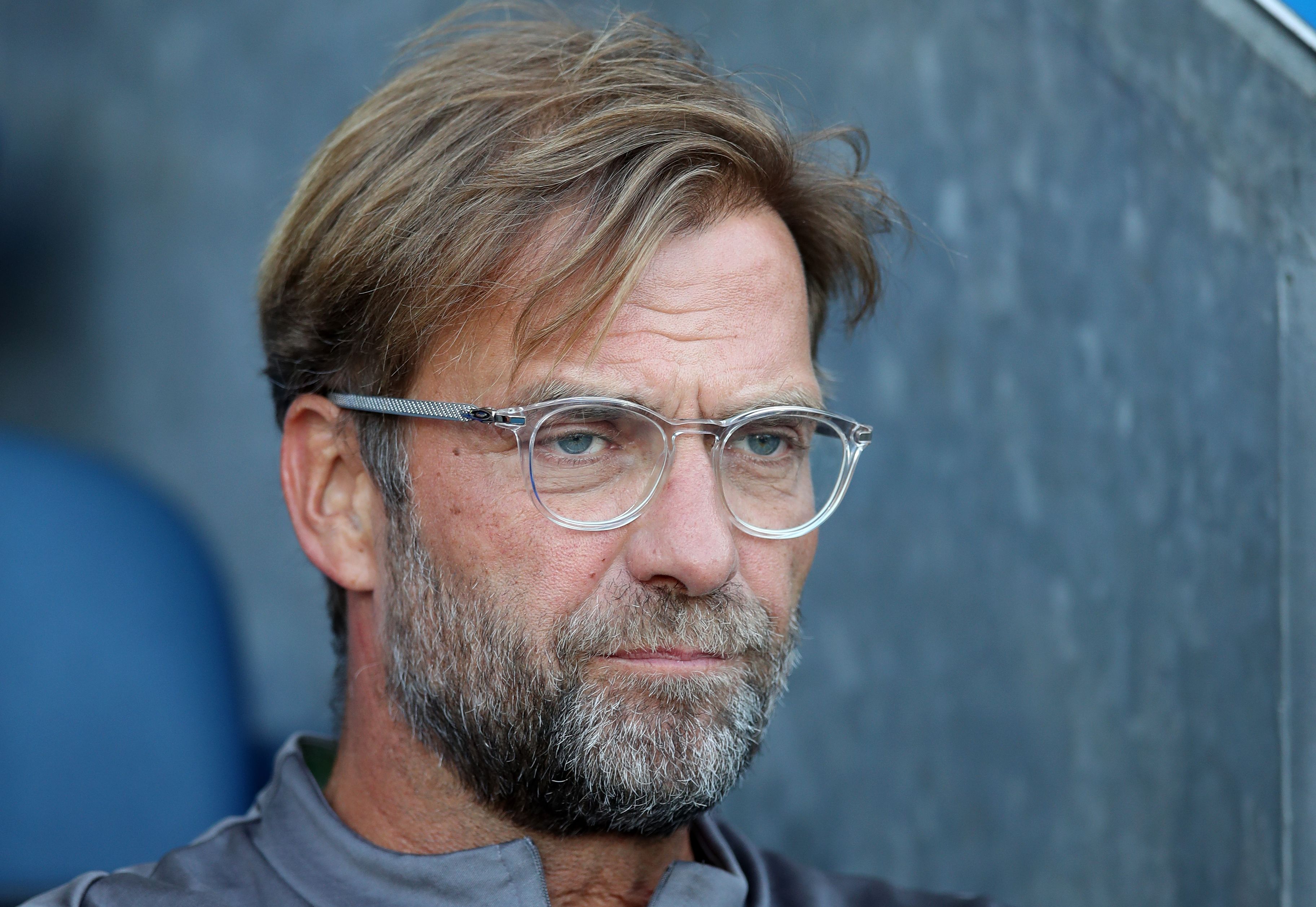 Klopp and Edwards are both quite casual, not just in terms of their general attire - neither can be fussed with the suit-and-tie trouble - but with their approach to staff at Melwood too.
They are accessible, employ an open-door policy and encourage regular communication. You do not need to pencil in time to see either with Edwards rarely ever making use of an assistant while Danielle, who handles Klopp’s diary, ensures he has a largely flexible schedule.
The Reds boss was enthused by the 38-year-old becoming sporting director, as he’d witness him complement his talent for identifying stylistically perfect players with shrewd negotiation and the courage to make and stick by bold choices.
He sought out Edwards to relay as much while Gordon shared his conviction that the connection between them would be the foundation for Liverpool’s advancement.
The club’s official statement on the promotion was released on 4 November 2016.
"Michael is absolutely the right person for this. He has the knowledge, expertise and personality to flourish in the role."
The news was greeted with an overflow of external scepticism, but at Melwood, in Boston, and at the club’s Chapel Street offices, the move was viewed as the decisive play to press ahead in an ambitious way that hadn’t been possible for far too long.
Klopp and Edwards are both quite casual, not just in terms of their general attire - neither can be fussed with the suit-and-tie trouble - but with their approach to staff at Melwood too.
They are accessible, employ an open-door policy and encourage regular communication. You do not need to pencil in time to see either with Edwards rarely ever making use of an assistant while Danielle, who handles Klopp’s diary, ensures he has a largely flexible schedule.
The Reds boss was enthused by the 38-year-old becoming sporting director, as he’d witness him complement his talent for identifying stylistically perfect players with shrewd negotiation and the courage to make and stick by bold choices.
He sought out Edwards to relay as much while Gordon shared his conviction that the connection between them would be the foundation for Liverpool’s advancement.
The club’s official statement on the promotion was released on 4 November 2016.
"Michael is absolutely the right person for this. He has the knowledge, expertise and personality to flourish in the role."
The news was greeted with an overflow of external scepticism, but at Melwood, in Boston, and at the club’s Chapel Street offices, the move was viewed as the decisive play to press ahead in an ambitious way that hadn’t been possible for far too long.
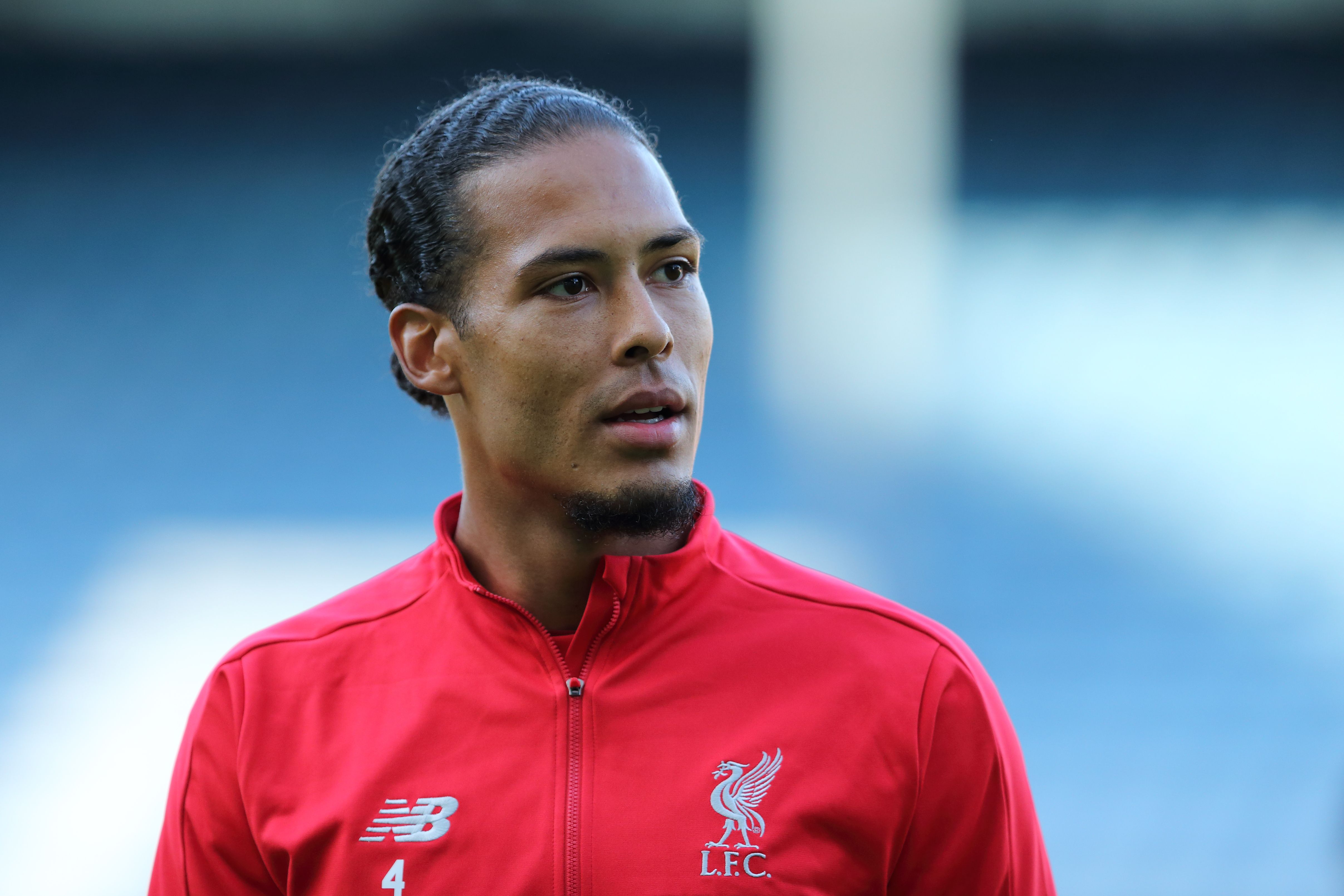 With Liverpool securing a £65 million deal for Alisson - a world record fee for a goalkeeper last Friday - after already smashing the transfer benchmark for a defender with their £75m recruitment of Virgil van Dijk in January, there has been an appetite to discuss what has changed to upgrade their actions in the market.
There are many variables, which are all rooted to the strong relationship between the core triad: Klopp, Edwards and Gordon.
The minds and ambitions of the key figures are aligned, which problematically hasn’t always been the case for the Merseysiders.
Klopp and Edwards discuss prospective players causally over breakfast or lunch in the canteen at Melwood before working through a more detailed analysis.
The bulk of the assessment is provided by the team under Dave Fallows, the head of recruitment, and chief scout Barry Hunter as well as the research group headed by the revered Ian Graham.
They present their shortlist to Gordon, who not only underwrites their wishes, but provides whatever support may be necessary to concluding business.
This was illustrated when he stepped in to rehabilitate Liverpool’s relations with Southampton, which was critical to completing the Van Dijk deal at the turn of the year.
There is trust, esteem and appreciation among the trio of the distinction of each: the right players are pinpointed by Edwards, they are sold on Liverpool by Klopp and are brought in on Gordon’s backing.
The club are crystalline and confident of spending big in the market because they are clear and collaborative behind closed doors.
“When we are convinced about a player, our owners - thank God - believe that much in the project, then they say let's do it.”
With Liverpool securing a £65 million deal for Alisson - a world record fee for a goalkeeper last Friday - after already smashing the transfer benchmark for a defender with their £75m recruitment of Virgil van Dijk in January, there has been an appetite to discuss what has changed to upgrade their actions in the market.
There are many variables, which are all rooted to the strong relationship between the core triad: Klopp, Edwards and Gordon.
The minds and ambitions of the key figures are aligned, which problematically hasn’t always been the case for the Merseysiders.
Klopp and Edwards discuss prospective players causally over breakfast or lunch in the canteen at Melwood before working through a more detailed analysis.
The bulk of the assessment is provided by the team under Dave Fallows, the head of recruitment, and chief scout Barry Hunter as well as the research group headed by the revered Ian Graham.
They present their shortlist to Gordon, who not only underwrites their wishes, but provides whatever support may be necessary to concluding business.
This was illustrated when he stepped in to rehabilitate Liverpool’s relations with Southampton, which was critical to completing the Van Dijk deal at the turn of the year.
There is trust, esteem and appreciation among the trio of the distinction of each: the right players are pinpointed by Edwards, they are sold on Liverpool by Klopp and are brought in on Gordon’s backing.
The club are crystalline and confident of spending big in the market because they are clear and collaborative behind closed doors.
“When we are convinced about a player, our owners - thank God - believe that much in the project, then they say let's do it.”
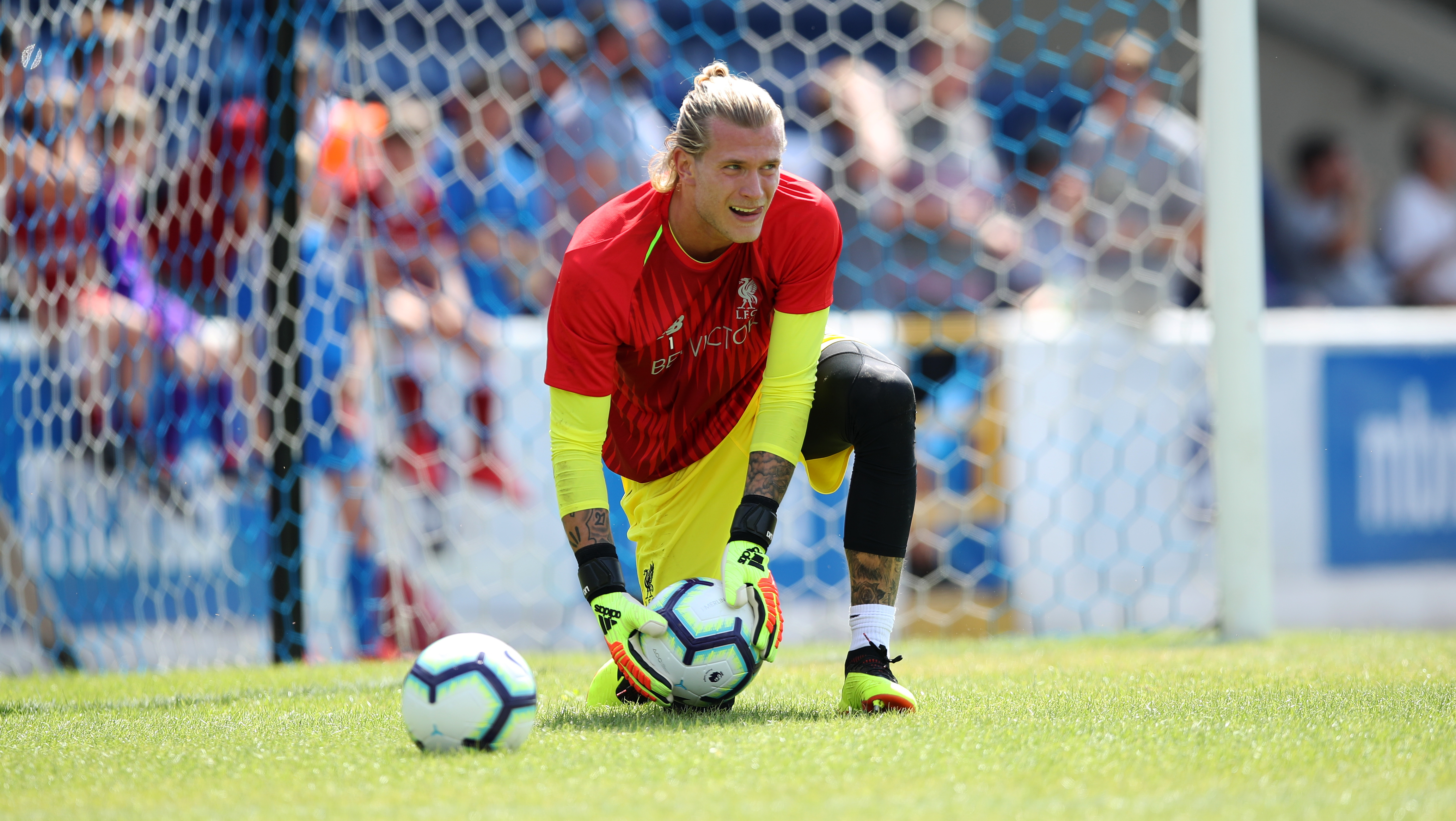 And still, there are caveats: Karius was rushed back after breaking a bone in his right hand during his first pre-season at the club and the rotation in the position couldn't have been helpful. Some who worked with him at Mainz describe him as “completely unrecognisable”.
Things have gone horribly for the 25-year-old in England, but he is not a bad goalkeeper, which is why Manchester City lured him to their academy and he went on to make just under a century of appearances in the Bundesliga. Hopefully, he will rediscover his self-belief and the fundamentals of his goalkeeping whether that be at Liverpool or elsewhere.
Accepting a cross against the German’s name and acknowledging that Joel Matip - recruited on a free - has never quite been the centre-back that was expected given injury issues, such a staggering success rate with transfers is an anomaly, so how have Liverpool been able to get so much right so quickly?
They have not bought for cosmetic purposes and plump for the required skill set rather than a name. They do not panic purchase. And they are flexible within the framework of their playing style, moving on from targets who no longer represent a need.
This was exhibited when they ended interest in Mahmoud Dahoud in the early months of 2016-17 having ascertained that the midfield required a more explosive figure with Keita being the chosen one.
Liverpool have shapeshifted smartly and on their terms, but it has taken a while and everything to align for them to morph from a punchline to sagacious transfer operators.
And still, there are caveats: Karius was rushed back after breaking a bone in his right hand during his first pre-season at the club and the rotation in the position couldn't have been helpful. Some who worked with him at Mainz describe him as “completely unrecognisable”.
Things have gone horribly for the 25-year-old in England, but he is not a bad goalkeeper, which is why Manchester City lured him to their academy and he went on to make just under a century of appearances in the Bundesliga. Hopefully, he will rediscover his self-belief and the fundamentals of his goalkeeping whether that be at Liverpool or elsewhere.
Accepting a cross against the German’s name and acknowledging that Joel Matip - recruited on a free - has never quite been the centre-back that was expected given injury issues, such a staggering success rate with transfers is an anomaly, so how have Liverpool been able to get so much right so quickly?
They have not bought for cosmetic purposes and plump for the required skill set rather than a name. They do not panic purchase. And they are flexible within the framework of their playing style, moving on from targets who no longer represent a need.
This was exhibited when they ended interest in Mahmoud Dahoud in the early months of 2016-17 having ascertained that the midfield required a more explosive figure with Keita being the chosen one.
Liverpool have shapeshifted smartly and on their terms, but it has taken a while and everything to align for them to morph from a punchline to sagacious transfer operators.
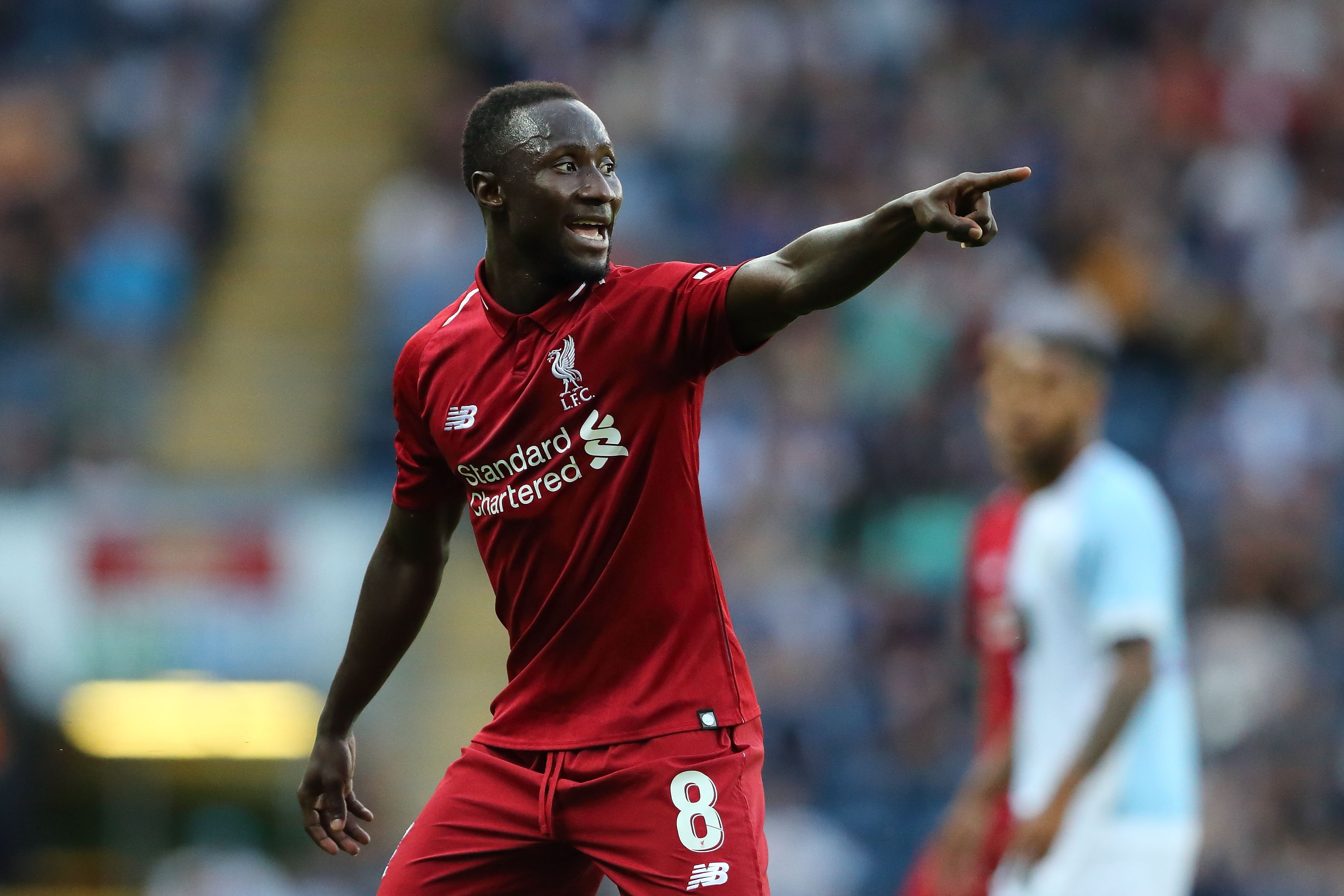 Qualifying for the tournament would underscore the club’s forward strides, with Klopp saying: “Everyone can see from the outside. The mood is different, a few people are different, but the base is there. It is still the power and size of Liverpool - and then the perspective - and that has changed, we feel it in the talks [with transfer targets].”
The Reds would eventually, with great persistence and effort land their priorities, navigating a tapping-up allegation from Southampton and an obstructive RB Leipzig in the process.
Chelsea and City both tried to sign Van Dijk last summer and in January, but he had tunnel vision for Liverpool.
Barcelona unsuccessfully attempted to hijack the move for Keita, while Oxlade-Chamberlain turned the Blues down in favour of Anfield.
Arsenal, meanwhile, had a £92m offer accepted by Monaco for Thomas Lemar on 31 August 2017, but the deadline-day trade didn’t happen as the France international wanted to work with Klopp instead.
The Reds were unwilling to meet that exorbitant asking price and recalibrated their attacking search afterwards.
Liverpool were able to outmuscle rivals in the market and encountered a new, more welcome problem: players like Julian Brandt and Ryan Sessegnon choosing not to switch to Merseyside as they wondered how they’d break into a talented XI.
Qualifying for the tournament would underscore the club’s forward strides, with Klopp saying: “Everyone can see from the outside. The mood is different, a few people are different, but the base is there. It is still the power and size of Liverpool - and then the perspective - and that has changed, we feel it in the talks [with transfer targets].”
The Reds would eventually, with great persistence and effort land their priorities, navigating a tapping-up allegation from Southampton and an obstructive RB Leipzig in the process.
Chelsea and City both tried to sign Van Dijk last summer and in January, but he had tunnel vision for Liverpool.
Barcelona unsuccessfully attempted to hijack the move for Keita, while Oxlade-Chamberlain turned the Blues down in favour of Anfield.
Arsenal, meanwhile, had a £92m offer accepted by Monaco for Thomas Lemar on 31 August 2017, but the deadline-day trade didn’t happen as the France international wanted to work with Klopp instead.
The Reds were unwilling to meet that exorbitant asking price and recalibrated their attacking search afterwards.
Liverpool were able to outmuscle rivals in the market and encountered a new, more welcome problem: players like Julian Brandt and Ryan Sessegnon choosing not to switch to Merseyside as they wondered how they’d break into a talented XI.
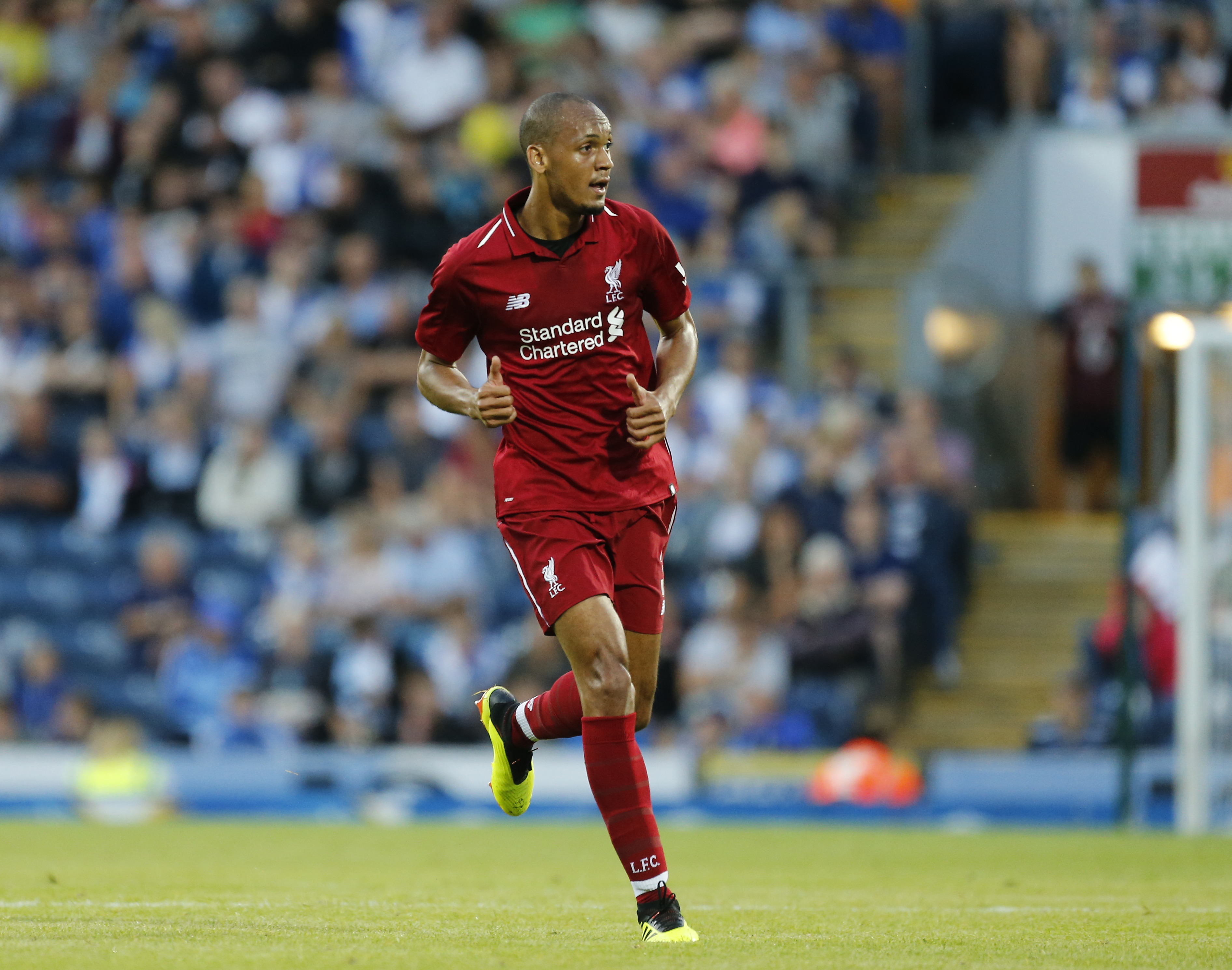 Liverpool have been doing excellent business, but a question mark is whether they do enough.
In the heart of defence for example, Dejan Lovren, Matip and Joe Gomez, who can play both fullback positions, have all had persistent issues with injury. That leaves Ragnar Klavan as the other option to partner Van Dijk.
Liverpool have numbers there, but as the club found out last season, that doesn’t necessarily equal availability.
Ahead of the Champions League quarter-final against City in April, Klopp joked, “If there is a centre-back in the room I am open for talks” given only Lovren and Van Dijk were fit.
The manager said last week “we have everything we need for the next season, because I don’t think we will do anything more. I’m pretty sure of that” but Liverpool have demonstrated a willingness to adapt and react if a situation arises.
The focus will now turn to trimming the squad and their outgoing deals have been stellar under Edwards too, with six of the club’s 15 biggest-ever sales (Coutinho, Benteke, Mamadou Sakho, Jordan Ibe, Joe Allen and Danny Ward) coming during Klopp’s management.
The effective swap with Hull City - Robertson joining Liverpool with Kevin Stewart going the other way for a similar fee - is a great example of the club matching their acumen on incomings with their handling of departures.
Liverpool have been doing excellent business, but a question mark is whether they do enough.
In the heart of defence for example, Dejan Lovren, Matip and Joe Gomez, who can play both fullback positions, have all had persistent issues with injury. That leaves Ragnar Klavan as the other option to partner Van Dijk.
Liverpool have numbers there, but as the club found out last season, that doesn’t necessarily equal availability.
Ahead of the Champions League quarter-final against City in April, Klopp joked, “If there is a centre-back in the room I am open for talks” given only Lovren and Van Dijk were fit.
The manager said last week “we have everything we need for the next season, because I don’t think we will do anything more. I’m pretty sure of that” but Liverpool have demonstrated a willingness to adapt and react if a situation arises.
The focus will now turn to trimming the squad and their outgoing deals have been stellar under Edwards too, with six of the club’s 15 biggest-ever sales (Coutinho, Benteke, Mamadou Sakho, Jordan Ibe, Joe Allen and Danny Ward) coming during Klopp’s management.
The effective swap with Hull City - Robertson joining Liverpool with Kevin Stewart going the other way for a similar fee - is a great example of the club matching their acumen on incomings with their handling of departures.
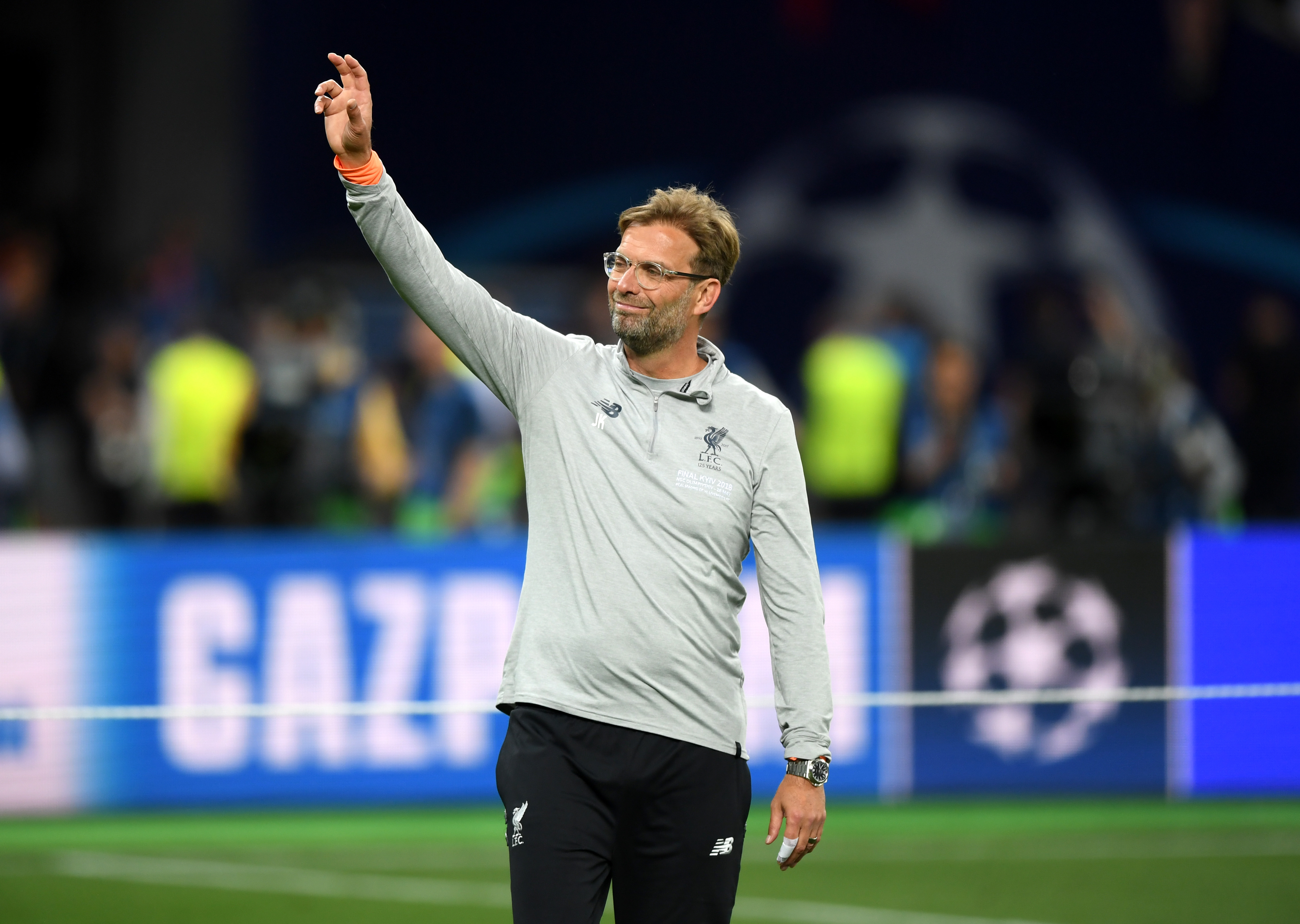 They have not brought in bonafide superstars and the transfers of their last two Player of the Season winners - Mane and Salah - were widely questioned at the time.
The person to lift the award prior to them, Coutinho, exited the club in January for the third biggest fee in world football behind Neymar and Kylian Mbappe.
Klopp has spent to “build a team, a real team.” Two years after those quotes, in an incredibly inflated climate and while being desperate for an elite goalkeeper, he still did not cave when Roma demanded £90m for Alisson.
Liverpool did not proceed when the fee dropped to £75m either, eventually agreeing on a total package £10m below that valuation.
While the German has accepted an alteration in his thinking with regards to head-spinning sums - “it is better to change your opinion than never have one” - the club’s methodology with signings since last summer is a matter of pragmatism rather than two-facedness.
If Liverpool were not aggressive after returning to the Champions League conversation, they would have been chastised for it.
Had they failed to further reinforce and address frailties after losing the final to Real Madrid, the Reds would’ve been labelled naive and too idealistic to properly progress domestically or otherwise.
As Klopp succinctly put it: “My responsibility is for this club to be as successful as possible. It is not for me to push through my thoughts and say we don't want to buy players or pay big money and in the end Liverpool is not successful. That doesn't work.”
In the 51-year-old’s first game as Reds manager - the 0-0 draw at Tottenham on 17 October 2015 - the bench read: Adam Bodgan, Kolo Toure, Connor Randall, Allen, Ibe, Jerome Sinclair and Joao Teixeira.
Liverpool are a world away from where they were, but are speeding towards where they want to be on account of matching their on-pitch swagger with a savvy stratagem off it.
They have not brought in bonafide superstars and the transfers of their last two Player of the Season winners - Mane and Salah - were widely questioned at the time.
The person to lift the award prior to them, Coutinho, exited the club in January for the third biggest fee in world football behind Neymar and Kylian Mbappe.
Klopp has spent to “build a team, a real team.” Two years after those quotes, in an incredibly inflated climate and while being desperate for an elite goalkeeper, he still did not cave when Roma demanded £90m for Alisson.
Liverpool did not proceed when the fee dropped to £75m either, eventually agreeing on a total package £10m below that valuation.
While the German has accepted an alteration in his thinking with regards to head-spinning sums - “it is better to change your opinion than never have one” - the club’s methodology with signings since last summer is a matter of pragmatism rather than two-facedness.
If Liverpool were not aggressive after returning to the Champions League conversation, they would have been chastised for it.
Had they failed to further reinforce and address frailties after losing the final to Real Madrid, the Reds would’ve been labelled naive and too idealistic to properly progress domestically or otherwise.
As Klopp succinctly put it: “My responsibility is for this club to be as successful as possible. It is not for me to push through my thoughts and say we don't want to buy players or pay big money and in the end Liverpool is not successful. That doesn't work.”
In the 51-year-old’s first game as Reds manager - the 0-0 draw at Tottenham on 17 October 2015 - the bench read: Adam Bodgan, Kolo Toure, Connor Randall, Allen, Ibe, Jerome Sinclair and Joao Teixeira.
Liverpool are a world away from where they were, but are speeding towards where they want to be on account of matching their on-pitch swagger with a savvy stratagem off it.Explore more on these topics:


