

Share
24th January 2019
10:04am GMT

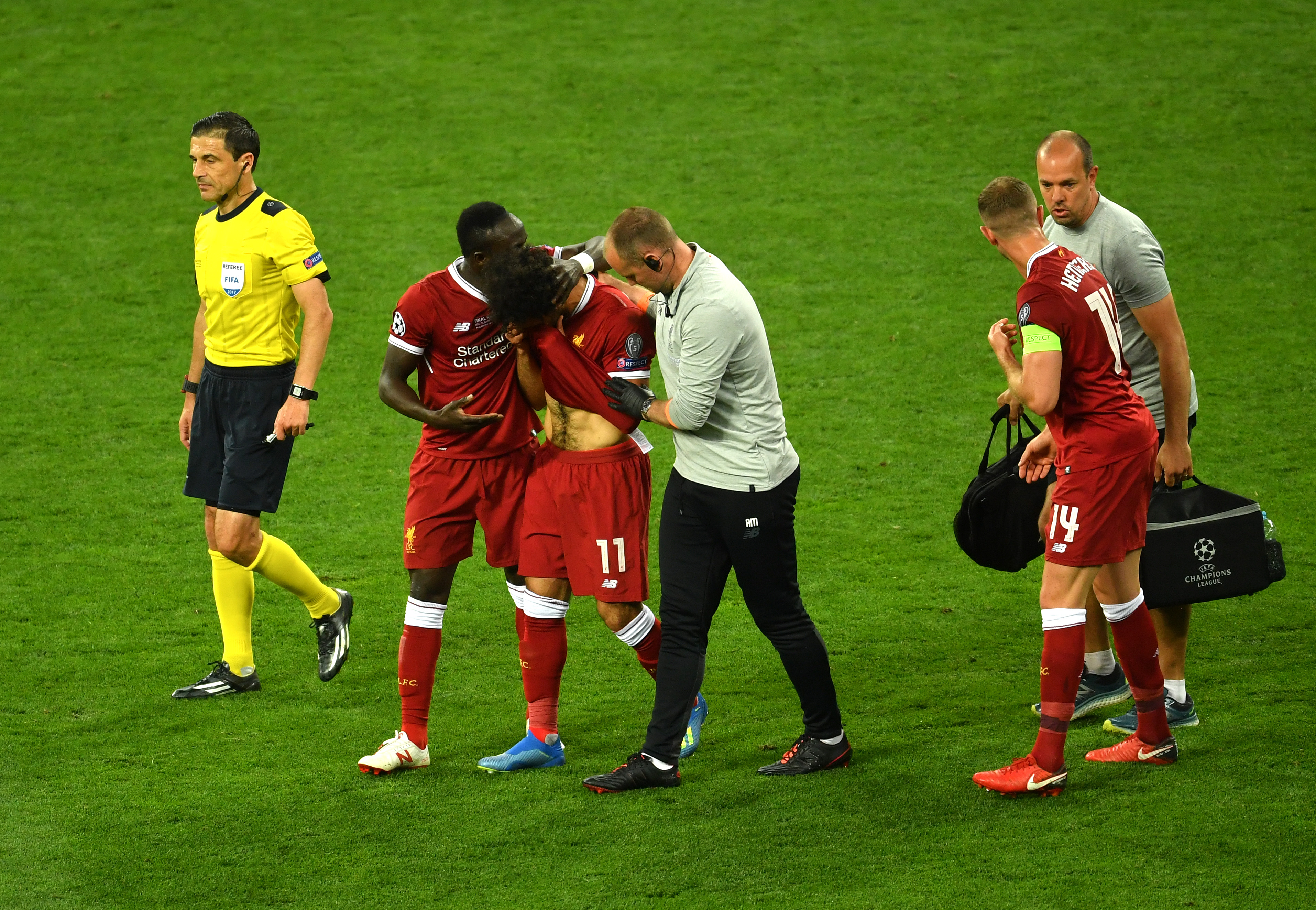 “It was typical Jürgen,” as an observer put it. “He was devastated for everyone but himself.”
A scoreline is just that - numbers separated by a dash. While a defeat of that magnitude can be painful, especially emotionally, getting over a result is much easier than dealing with deeper setbacks.
Klopp felt the distress of Salah’s final being ruined after a watershed season, while his World Cup was on the line.
Earlier, with full-time approaching, the Reds boss had caught a glimpse of his wife, Ulla, comforting the mother of Loris Karius.
Both women were engulfed by tears as the goalkeeper was visibly disconsolate following his two errors.
Klopp felt that anguish, and what hurt him most about the events in Kiev was that someone other than himself - Karius - was painted as the responsible party for Liverpool’s loss.
Then after the game, as the squad applauded the supporters, the 51-year-old had to compose himself as he spotted Alex Oxlade-Chamberlain, on crutches, crying into his palms.
Klopp felt the midfielder’s devastation of not being able to affect the result and was shredded by the severity of the multiple knee ligament damage he suffered en-route to the final.
It was actually a conversation with friends about the 25-year-old in the early hours of the following morning that sparked a now-famous scene.
In Klopp’s Formby home, the manager detailed how unfair the month had been for ‘Ox’, reflecting on the sacrifices made by so many during the season and preaching a message of defiance.
Liverpool would pick themselves up and go again. Harder.
Liverpool would not just be fine, Liverpool would be fucking flying.
With an image of Ulla and Ox in his hand - the England international has the same picture at his house - flanked by assistant manager Peter Krawietz, Die Toten Hosen lead singer Campino and a German journalist, Klopp led an impromptu chant caught on a phone camera:
“It was typical Jürgen,” as an observer put it. “He was devastated for everyone but himself.”
A scoreline is just that - numbers separated by a dash. While a defeat of that magnitude can be painful, especially emotionally, getting over a result is much easier than dealing with deeper setbacks.
Klopp felt the distress of Salah’s final being ruined after a watershed season, while his World Cup was on the line.
Earlier, with full-time approaching, the Reds boss had caught a glimpse of his wife, Ulla, comforting the mother of Loris Karius.
Both women were engulfed by tears as the goalkeeper was visibly disconsolate following his two errors.
Klopp felt that anguish, and what hurt him most about the events in Kiev was that someone other than himself - Karius - was painted as the responsible party for Liverpool’s loss.
Then after the game, as the squad applauded the supporters, the 51-year-old had to compose himself as he spotted Alex Oxlade-Chamberlain, on crutches, crying into his palms.
Klopp felt the midfielder’s devastation of not being able to affect the result and was shredded by the severity of the multiple knee ligament damage he suffered en-route to the final.
It was actually a conversation with friends about the 25-year-old in the early hours of the following morning that sparked a now-famous scene.
In Klopp’s Formby home, the manager detailed how unfair the month had been for ‘Ox’, reflecting on the sacrifices made by so many during the season and preaching a message of defiance.
Liverpool would pick themselves up and go again. Harder.
Liverpool would not just be fine, Liverpool would be fucking flying.
With an image of Ulla and Ox in his hand - the England international has the same picture at his house - flanked by assistant manager Peter Krawietz, Die Toten Hosen lead singer Campino and a German journalist, Klopp led an impromptu chant caught on a phone camera:
"We saw the European Cup "Madrid had all the fucking luck "We’ll just keep on being cool "And bring it back to Liverpool!"That boldness matched the sentiment of supporters, who travelled to Kiev and were intoxicated by the experience of Shevchenko Park. It all seemed different. This wasn’t a one-off; something special had long been brewing. Crucially, the club’s ambitions were not just confined to a clever chorus or the minds of the fanbase. Liverpool’s work for 2018-19 had begun months in advance of the final and the result against Real - whether positive or negative - was to have no impact on their planning.
 In the interim, the club had to solve the Karius conundrum.
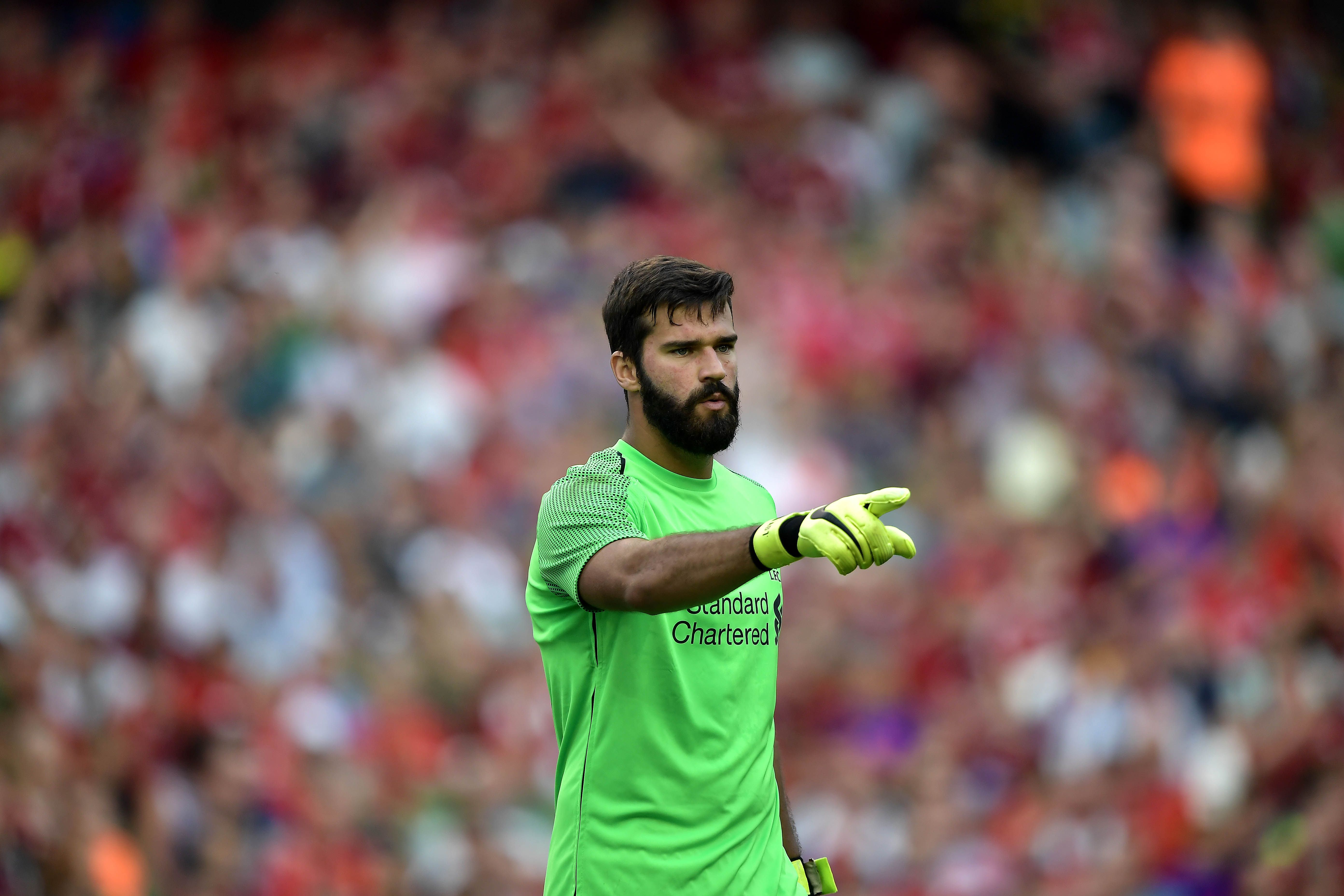
While his double fault in Kiev did not influence Liverpool's willingness to bring in a new first-choice stopper given Alisson was on the agenda since 2017, the German’s situation did plague Klopp.
The manager was desperate to rehabilitate the stopper and hoped for a redemption story. It was he, after all, who pushed for the information around Karius’ concussion to be made public - the keeper still had 26 markers out of 30 for the mild cranial trauma five days after the final - not to excuse his mistakes, but to help explain them.
During the pre-season friendlies, however, it became apparent that no healing could be done in England.
Liverpool fans, the opposition and their supporters, along with the media, would be obstructive to the process - see the fixture at Tranmere, for example - while the player himself was debilitated and could no longer do the basics.
Karius wanted a change and even though the original plan was to keep him and allow Simon Mignolet to leave, Liverpool believed he would be better served going on loan.
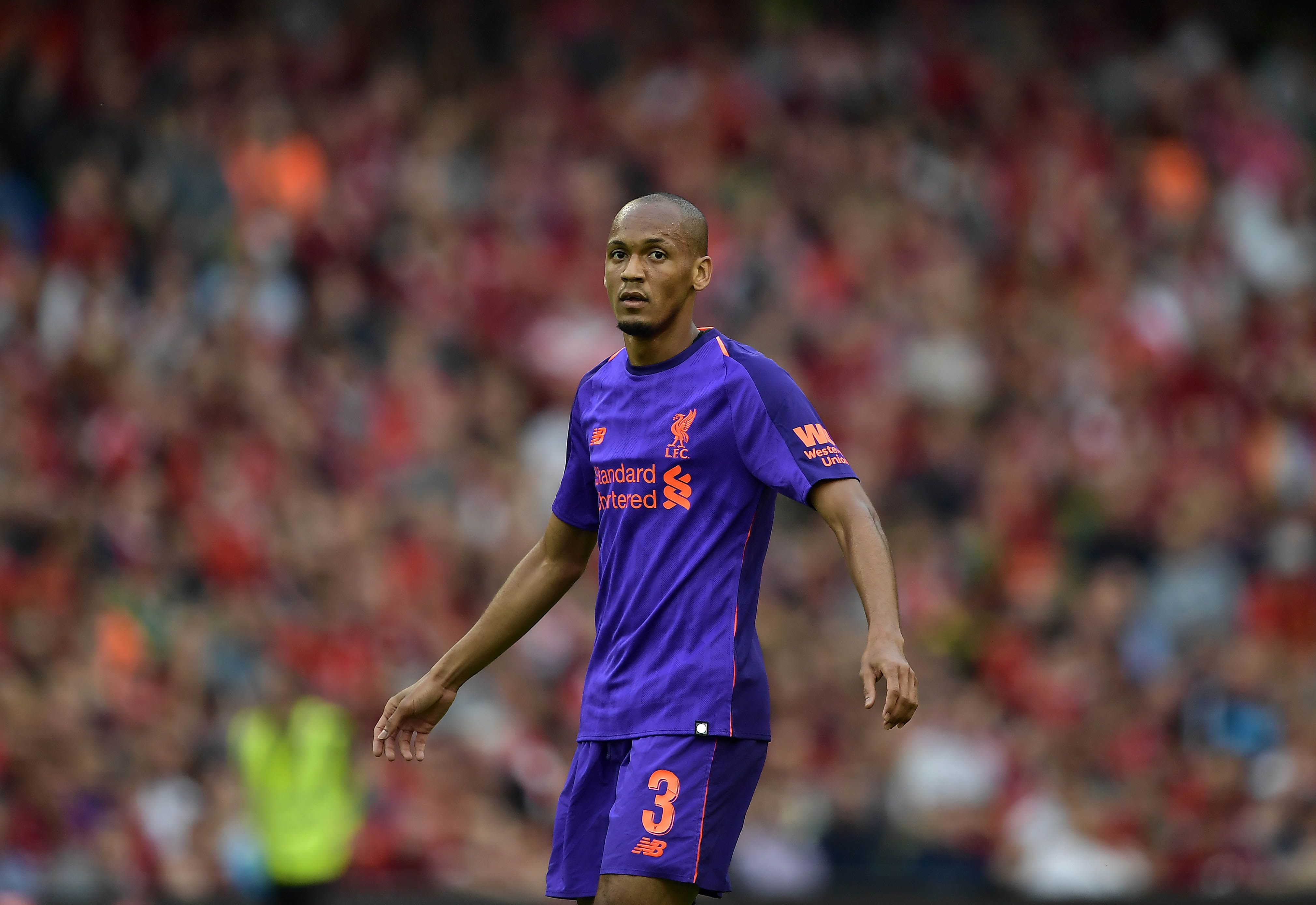
While work quietly pressed on to secure Alisson, Liverpool pursued Lyon’s Nabil Fekir to fill the void left by Coutinho’s exit to Barca and to inject some attacking dynamism in the absence of the injured Oxlade-Chamberlain.
By June 7, all the terms for a £53m transfer were agreed pending a medical, but the physical examination flagged an underlying knee issue, which made it irresponsible for Liverpool to continue with the deal.
It wasn’t about the France international’s quality, his current fitness or the cost, but his durability over time.
The club have spent years correcting poor market decisions of the past and so a long-term outlay for an instantly depreciating asset was never going to tally with their sagacious approach.
Also bubbling in the background was a move for Xherdan Shaqiri, whose relegation release clause at Stoke - a barely believable £13m - was public knowledge.
For the recruitment team, the Swiss ace checked all the boxes: a technically astute player, who was available, had plenty to prove and would accept - as well as relish - the challenge of forcing his way to the XI.
In the interim, the club had to solve the Karius conundrum.
While his double fault in Kiev did not influence Liverpool's willingness to bring in a new first-choice stopper given Alisson was on the agenda since 2017, the German’s situation did plague Klopp.
The manager was desperate to rehabilitate the stopper and hoped for a redemption story. It was he, after all, who pushed for the information around Karius’ concussion to be made public - the keeper still had 26 markers out of 30 for the mild cranial trauma five days after the final - not to excuse his mistakes, but to help explain them.
During the pre-season friendlies, however, it became apparent that no healing could be done in England.
Liverpool fans, the opposition and their supporters, along with the media, would be obstructive to the process - see the fixture at Tranmere, for example - while the player himself was debilitated and could no longer do the basics.
Karius wanted a change and even though the original plan was to keep him and allow Simon Mignolet to leave, Liverpool believed he would be better served going on loan.
While work quietly pressed on to secure Alisson, Liverpool pursued Lyon’s Nabil Fekir to fill the void left by Coutinho’s exit to Barca and to inject some attacking dynamism in the absence of the injured Oxlade-Chamberlain.
By June 7, all the terms for a £53m transfer were agreed pending a medical, but the physical examination flagged an underlying knee issue, which made it irresponsible for Liverpool to continue with the deal.
It wasn’t about the France international’s quality, his current fitness or the cost, but his durability over time.
The club have spent years correcting poor market decisions of the past and so a long-term outlay for an instantly depreciating asset was never going to tally with their sagacious approach.
Also bubbling in the background was a move for Xherdan Shaqiri, whose relegation release clause at Stoke - a barely believable £13m - was public knowledge.
For the recruitment team, the Swiss ace checked all the boxes: a technically astute player, who was available, had plenty to prove and would accept - as well as relish - the challenge of forcing his way to the XI.
 From previous scouting work circling back to his young teens, Liverpool knew Shaqiri’s varied gifts were often misunderstood, not invested in properly or, as was the case at the Britannia, used as a magic wand.
They were also aware of the erroneous painting of the 27-year-old as problematic to deal with, countered by two fresh character references from respected members of staff.
Andreas Kornmayer, in charge of fitness and conditioning, as well as the head of nutrition, Mona Nemmer, had worked with Shaqiri at Bayern Munich. They were surprised by the perception in England that he was troublesome and self-serving.
They found Shaqiri to be positive, receptive to advice, with a warm, collaborative nature that cut through the idea that he was too individualistic.
Klopp was enthused by the pocket rocket’s versatility and his bravery in possession, which is why there was calm rather than consternation after the Fekir saga.
There was no need to source an alternative to the playmaker because the coaching staff were confident that Shaqiri could play in any attacking role and deliver.
Edwards, meanwhile, understood that even if the low-risk transfer didn’t pan out as planned, Liverpool would still be able to command a good fee for the two-time Bundesliga winner on account of his experience, quality and skillset.
Given the measly cost and potential high reward in bringing him in, the recruitment team - drivers behind the deal - were perplexed by the persistent links to Christian Pulisic.
While there had been interest in the USA international in the past with Klopp remaining a fan on a personal level, his performances as well as appearances had dwindled at Borussia Dortmund. There was no way the club would spend upwards of £55m on a squad player - four times Shaqiri’s fee.
Five days after ‘Big Shaq’ was in the house, Liverpool announced their most fundamental piece of business: Alisson joined in a £65m switch from Roma.
From previous scouting work circling back to his young teens, Liverpool knew Shaqiri’s varied gifts were often misunderstood, not invested in properly or, as was the case at the Britannia, used as a magic wand.
They were also aware of the erroneous painting of the 27-year-old as problematic to deal with, countered by two fresh character references from respected members of staff.
Andreas Kornmayer, in charge of fitness and conditioning, as well as the head of nutrition, Mona Nemmer, had worked with Shaqiri at Bayern Munich. They were surprised by the perception in England that he was troublesome and self-serving.
They found Shaqiri to be positive, receptive to advice, with a warm, collaborative nature that cut through the idea that he was too individualistic.
Klopp was enthused by the pocket rocket’s versatility and his bravery in possession, which is why there was calm rather than consternation after the Fekir saga.
There was no need to source an alternative to the playmaker because the coaching staff were confident that Shaqiri could play in any attacking role and deliver.
Edwards, meanwhile, understood that even if the low-risk transfer didn’t pan out as planned, Liverpool would still be able to command a good fee for the two-time Bundesliga winner on account of his experience, quality and skillset.
Given the measly cost and potential high reward in bringing him in, the recruitment team - drivers behind the deal - were perplexed by the persistent links to Christian Pulisic.
While there had been interest in the USA international in the past with Klopp remaining a fan on a personal level, his performances as well as appearances had dwindled at Borussia Dortmund. There was no way the club would spend upwards of £55m on a squad player - four times Shaqiri’s fee.
Five days after ‘Big Shaq’ was in the house, Liverpool announced their most fundamental piece of business: Alisson joined in a £65m switch from Roma.
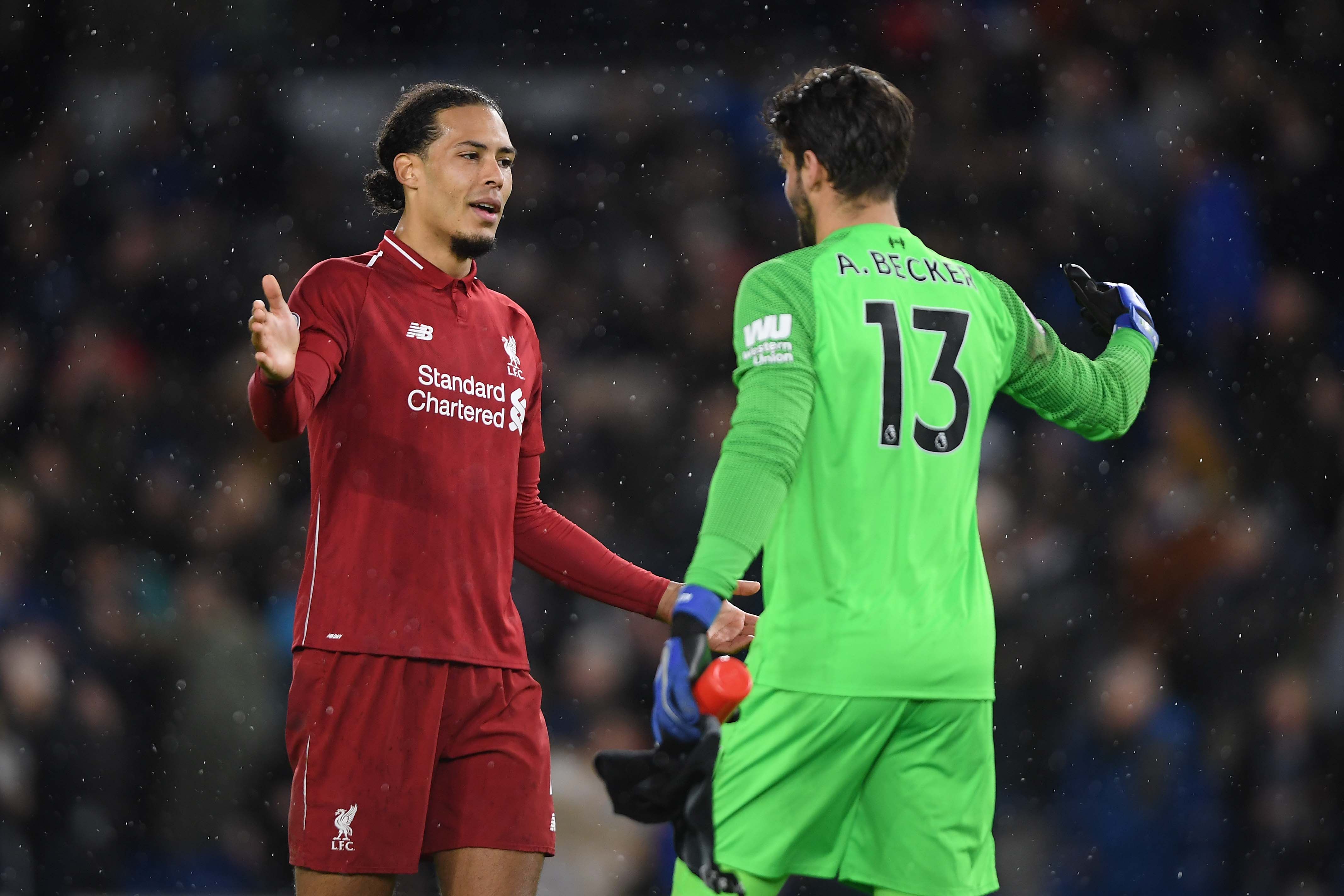 There were gasps when the 26-year-old walked into the room, dotted with a few soft ‘fucking hell’ mutterings. Awe and anticipation were present in equal measure, with a staffer revealing that the moment was reminiscent of Virgil van Dijk’s first day with the team.
“Revolutionary” was the label given to both signings, and for Liverpool it represented more than just on-pitch elevation.
The recruitment of Alisson and Van Dijk illustrated that the club could get the best in the world even when they’re being pursued by the best in the world.
There was hardly much of a battle for the rest of their premier additions: the path to Salah and Firmino contained no traffic, while Tottenham were the only side to rival Liverpool for Sadio Mane and Gini Wijnaldum.
Oxlade-Chamberlain rebuffed Chelsea’s offer in favour of Anfield, but he was wary of becoming a homegrown quota statistic at Stamford Bridge.
Barcelona had attempted to hijack Liverpool’s agreement for Naby Keita, but were too late and cold in the process.
Alisson and Van Dijk, though, were different.
They were the transformers.
The goalkeeper’s first training session was much like the Dutchman’s: team-mates left in wonderment.
Jordan Henderson, whose role in helping Liverpool land the world’s most expensive defender has not been given the consideration it deserves - they share an agent and the captain kept on at recruitment to do everything possible to secure Van Dijk - mentioned that turning around in the tunnel and seeing those two was like a victory before kick-off.
It was akin to having Luis Suarez and Steven Gerrard - the reference points and drag-you-to-a-win proponents - just at the other end of the pitch.
Oxlade-Chamberlain noted what it was like being a rival to the former Liverpool pair in the tunnel and underscored that the psychological impact of having Van Dijk and Alisson didn’t just work in the club’s favour, but that it could be unsettling to opponents too.
Adding such steel to the rearguard has allowed Klopp’s charges to be more flexible and confident in their approach. Liverpool no longer have to blitz - they can bide their time.
There were gasps when the 26-year-old walked into the room, dotted with a few soft ‘fucking hell’ mutterings. Awe and anticipation were present in equal measure, with a staffer revealing that the moment was reminiscent of Virgil van Dijk’s first day with the team.
“Revolutionary” was the label given to both signings, and for Liverpool it represented more than just on-pitch elevation.
The recruitment of Alisson and Van Dijk illustrated that the club could get the best in the world even when they’re being pursued by the best in the world.
There was hardly much of a battle for the rest of their premier additions: the path to Salah and Firmino contained no traffic, while Tottenham were the only side to rival Liverpool for Sadio Mane and Gini Wijnaldum.
Oxlade-Chamberlain rebuffed Chelsea’s offer in favour of Anfield, but he was wary of becoming a homegrown quota statistic at Stamford Bridge.
Barcelona had attempted to hijack Liverpool’s agreement for Naby Keita, but were too late and cold in the process.
Alisson and Van Dijk, though, were different.
They were the transformers.
The goalkeeper’s first training session was much like the Dutchman’s: team-mates left in wonderment.
Jordan Henderson, whose role in helping Liverpool land the world’s most expensive defender has not been given the consideration it deserves - they share an agent and the captain kept on at recruitment to do everything possible to secure Van Dijk - mentioned that turning around in the tunnel and seeing those two was like a victory before kick-off.
It was akin to having Luis Suarez and Steven Gerrard - the reference points and drag-you-to-a-win proponents - just at the other end of the pitch.
Oxlade-Chamberlain noted what it was like being a rival to the former Liverpool pair in the tunnel and underscored that the psychological impact of having Van Dijk and Alisson didn’t just work in the club’s favour, but that it could be unsettling to opponents too.
Adding such steel to the rearguard has allowed Klopp’s charges to be more flexible and confident in their approach. Liverpool no longer have to blitz - they can bide their time.
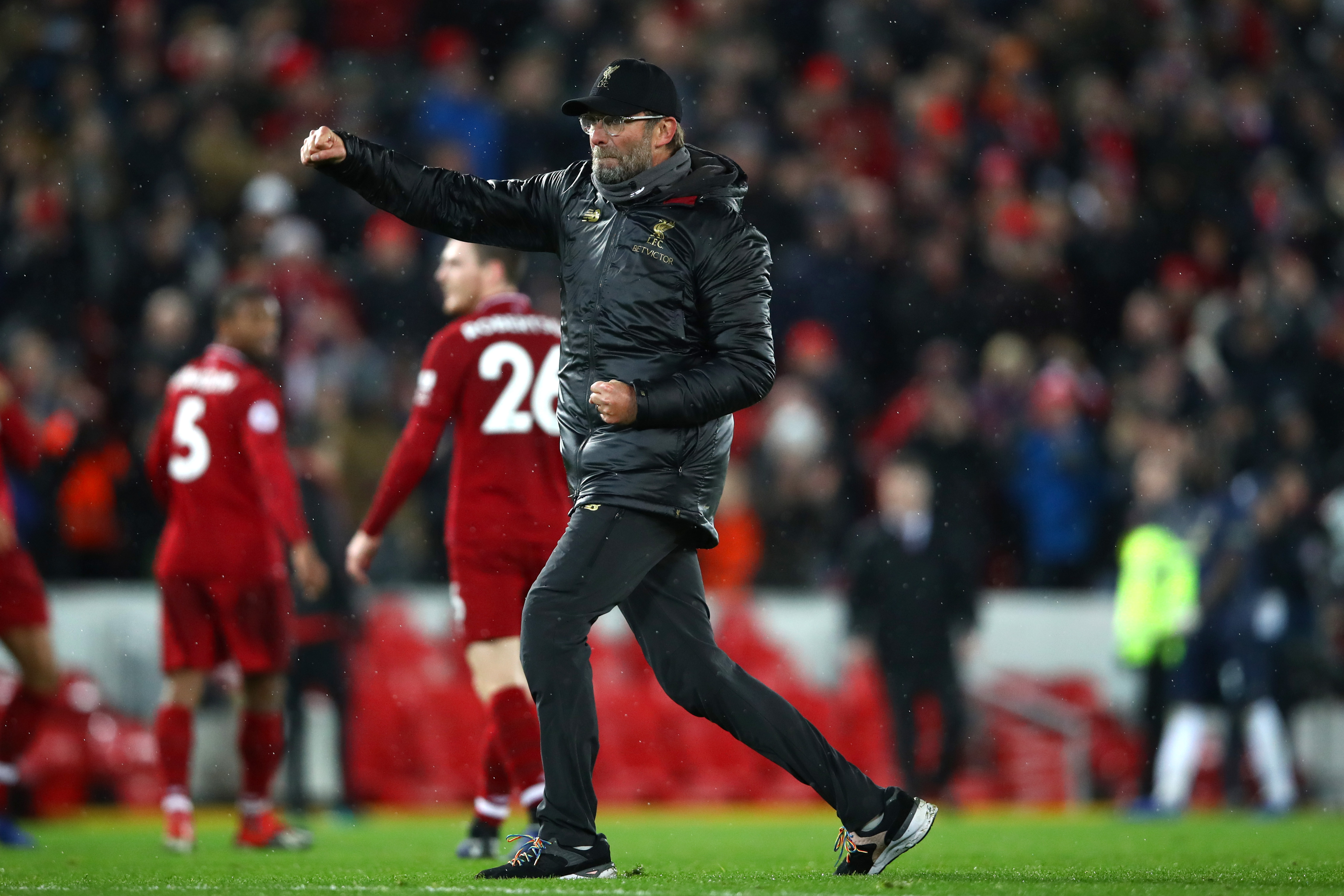 The dialogue wasn’t a one-off either. It happened regularly, with the 4-3 win over Manchester City at Anfield in January 2017 providing another opportunity for self-reflection.
This process of evolution wasn’t restricted to Liverpool’s roster. Klopp, too, had adapted.
The Reds boss has paid greater attention to the importance of rest - both in a physical and mental sense and how he manages the schedule.
The slog of the Premier League is in contrast to the sprint-breather-sprint nature of the Bundesliga and so an adjustment was not only necessary, but fundamental.
There has been an increase of impromptu, extra days off for the group with an appreciation that it would help rather than hinder high performance levels.
The dialogue wasn’t a one-off either. It happened regularly, with the 4-3 win over Manchester City at Anfield in January 2017 providing another opportunity for self-reflection.
This process of evolution wasn’t restricted to Liverpool’s roster. Klopp, too, had adapted.
The Reds boss has paid greater attention to the importance of rest - both in a physical and mental sense and how he manages the schedule.
The slog of the Premier League is in contrast to the sprint-breather-sprint nature of the Bundesliga and so an adjustment was not only necessary, but fundamental.
There has been an increase of impromptu, extra days off for the group with an appreciation that it would help rather than hinder high performance levels.
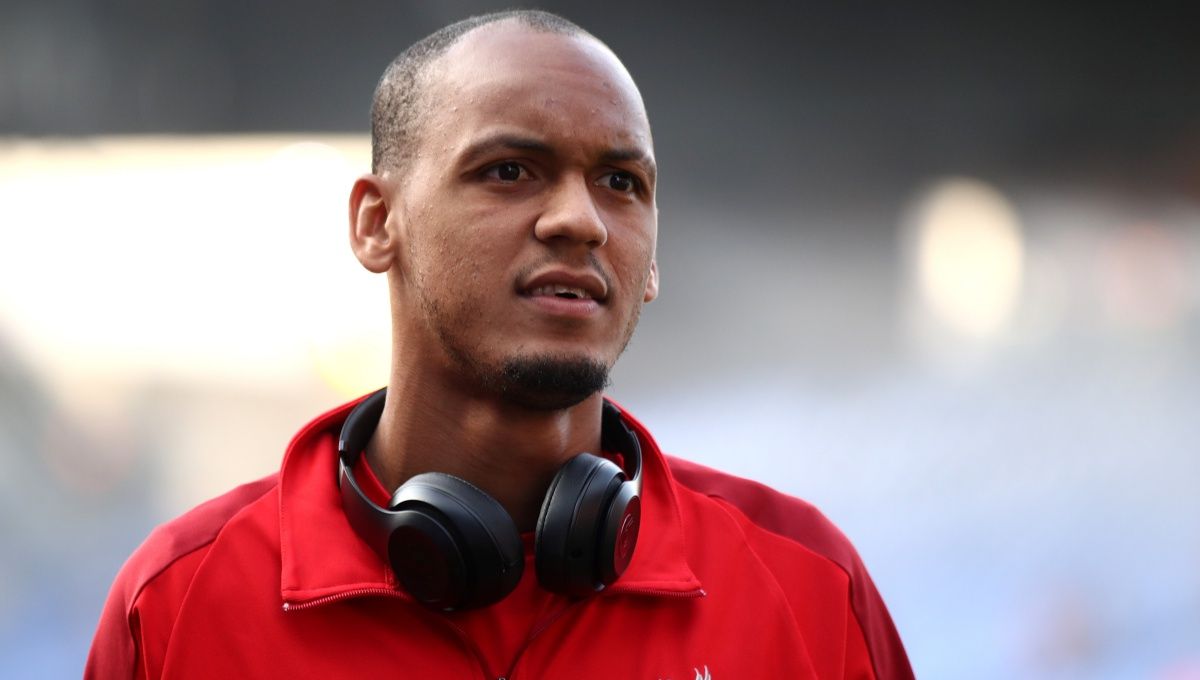 ‘It will come’ was the manager’s overarching message, with Edwards and Gordon having total faith following the examples of Andy Robertson and Oxlade-Chamberlain.
Fabinho’s attitude was excellent as he was eased in. He undertook a specialist gym program to enhance his power and fitness, which focused on strengthening his thighs and core without diminishing his speed to the ball. While it was frustrating to be on the fringes, the former Monaco anchor understood the areas he was deficient in and worked on correcting them.
Despite the persistent links with Paris Saint-Germain, there were no designs on an escape route either from Fabinho or his agent, Jorge Mendes.
Klopp’s talent of not swelling a situation beyond what it actually is worked again in this regard: there were no major discussions with the player, just the usual feed of tactical instructions and corrections during training.
Fabinho didn’t need over-the-top lectures, he just needed to learn at a comfortable pace and is now a crucial component of the team - regardless of where he is fielded.
The same approach applies to Naby Keita, who hasn't yet found his dynamic feet on Merseyside.
Klopp also saw no need to pull Dejan Lovren up on his comments about Liverpool attempting to mirror Arsenal’s ‘Invincibles’ season, understanding it is part of the Croatian’s personality.
It is why the centre-back can declare himself one of the best in the world in his position and can describe how his half-time speech at City in the quarter-finals of the Champions League inspired Liverpool to a 2-1 victory on the night - it is just who he is.
Had it been someone more reserved like Joe Gomez discussing Liverpool going unbeaten in the campaign, it would have been a different case, but as the phrase goes at Melwood: ‘Dejan is Dejan’.
Klopp, too, recognised the grey in Alberto Moreno venting his frustrations over a lack of minutes to Spanish radio station Onda Cero in December.
He felt it was perfectly normal for the left-back to be unhappy at not playing and, while he would have preferred the 26-year-old to have that talk with him rather than the press, the manager's overall emotion was one of compassion.
If there are issues Klopp wants to confront, he usually does it briefly before training. There doesn’t always have to be a defined talk and often his best decision is to do nothing.
Those who work with him extol his ability to discern when a big moment is required and when to allow things to correct itself.
Creating a crisis over every problem will only permeate to the players and can become evident in performances - Liverpool’s composure stems from the man at the helm.
‘It will come’ was the manager’s overarching message, with Edwards and Gordon having total faith following the examples of Andy Robertson and Oxlade-Chamberlain.
Fabinho’s attitude was excellent as he was eased in. He undertook a specialist gym program to enhance his power and fitness, which focused on strengthening his thighs and core without diminishing his speed to the ball. While it was frustrating to be on the fringes, the former Monaco anchor understood the areas he was deficient in and worked on correcting them.
Despite the persistent links with Paris Saint-Germain, there were no designs on an escape route either from Fabinho or his agent, Jorge Mendes.
Klopp’s talent of not swelling a situation beyond what it actually is worked again in this regard: there were no major discussions with the player, just the usual feed of tactical instructions and corrections during training.
Fabinho didn’t need over-the-top lectures, he just needed to learn at a comfortable pace and is now a crucial component of the team - regardless of where he is fielded.
The same approach applies to Naby Keita, who hasn't yet found his dynamic feet on Merseyside.
Klopp also saw no need to pull Dejan Lovren up on his comments about Liverpool attempting to mirror Arsenal’s ‘Invincibles’ season, understanding it is part of the Croatian’s personality.
It is why the centre-back can declare himself one of the best in the world in his position and can describe how his half-time speech at City in the quarter-finals of the Champions League inspired Liverpool to a 2-1 victory on the night - it is just who he is.
Had it been someone more reserved like Joe Gomez discussing Liverpool going unbeaten in the campaign, it would have been a different case, but as the phrase goes at Melwood: ‘Dejan is Dejan’.
Klopp, too, recognised the grey in Alberto Moreno venting his frustrations over a lack of minutes to Spanish radio station Onda Cero in December.
He felt it was perfectly normal for the left-back to be unhappy at not playing and, while he would have preferred the 26-year-old to have that talk with him rather than the press, the manager's overall emotion was one of compassion.
If there are issues Klopp wants to confront, he usually does it briefly before training. There doesn’t always have to be a defined talk and often his best decision is to do nothing.
Those who work with him extol his ability to discern when a big moment is required and when to allow things to correct itself.
Creating a crisis over every problem will only permeate to the players and can become evident in performances - Liverpool’s composure stems from the man at the helm.
 There was a giddiness that coloured everything back then and a sense of fortune to be involved in the title conversation. Emotion was the fuel for the race and, while former manager Brendan Rodgers received stick for a lack of leadership and nous in the run-in, that problem ran through all sections of the club down to the squad.
Liverpool possess ‘killers’ now: players who are not excited by the prospect of being title winners, but who believe they are more than good enough to be title winners.
In 2013-14, there was a tinge of ‘we can’t believe we’re in this position, how the fuck has this happened?’
That has been replaced by ‘we belong here, we’ve built up to this’.
The conviction and ice-cool nature funnels down from Klopp, who is neither excitable nor burdened by Liverpool’s position.
He only references the title when the media bring it up, a line of questioning he despises. The German doesn’t walk into the dressing room daily with a ‘guys we haven’t won anything’ reminder - it is unnecessary.
Liverpool know that. They are determined to change that.
Injuries, especially in defence, have not been kind to their objectives and the weeks ahead are expected to be the most testing.
But beyond the bubble of the title race and the club’s European ambitions this season, there is a certainty about things moving forward.
Trent Alexander-Arnold and Andy Robertson recently joined Joe Gomez, Sadio Mane, Mohamed Salah and Roberto Firmino in committing their futures to Liverpool.
Contracts do not always equal staying power, but the sentiment within Melwood - including the dressing room - is that this squad has the capability to be a force for the next five years.
Tying down the nucleus of it, then, should be applauded - especially when juxtaposed with the uncertainty facing a few of Liverpool’s rivals.
Under the Klopp-Edwards-Gordon trinity, the big picture is always in focus.
And so Liverpool will not just be fine, Liverpool will be fucking flying.
There was a giddiness that coloured everything back then and a sense of fortune to be involved in the title conversation. Emotion was the fuel for the race and, while former manager Brendan Rodgers received stick for a lack of leadership and nous in the run-in, that problem ran through all sections of the club down to the squad.
Liverpool possess ‘killers’ now: players who are not excited by the prospect of being title winners, but who believe they are more than good enough to be title winners.
In 2013-14, there was a tinge of ‘we can’t believe we’re in this position, how the fuck has this happened?’
That has been replaced by ‘we belong here, we’ve built up to this’.
The conviction and ice-cool nature funnels down from Klopp, who is neither excitable nor burdened by Liverpool’s position.
He only references the title when the media bring it up, a line of questioning he despises. The German doesn’t walk into the dressing room daily with a ‘guys we haven’t won anything’ reminder - it is unnecessary.
Liverpool know that. They are determined to change that.
Injuries, especially in defence, have not been kind to their objectives and the weeks ahead are expected to be the most testing.
But beyond the bubble of the title race and the club’s European ambitions this season, there is a certainty about things moving forward.
Trent Alexander-Arnold and Andy Robertson recently joined Joe Gomez, Sadio Mane, Mohamed Salah and Roberto Firmino in committing their futures to Liverpool.
Contracts do not always equal staying power, but the sentiment within Melwood - including the dressing room - is that this squad has the capability to be a force for the next five years.
Tying down the nucleus of it, then, should be applauded - especially when juxtaposed with the uncertainty facing a few of Liverpool’s rivals.
Under the Klopp-Edwards-Gordon trinity, the big picture is always in focus.
And so Liverpool will not just be fine, Liverpool will be fucking flying.
Explore more on these topics:


