

Share
10th March 2021
05:04pm GMT

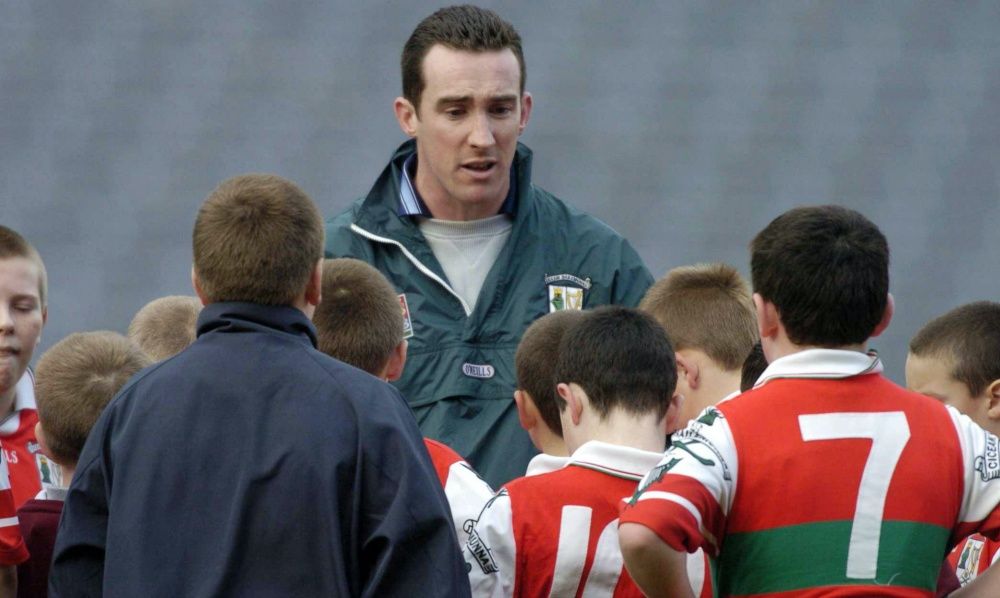 That does not make the former Dublin footballer a monster nor does it make him an irresponsible renegade. His mother is 70, his father is 80 and for much of the past year, Christie has been tip-toeing around them for fear of causing harm. But there comes a point in time when you have to speak up for the kids who have no voice for themselves.
His daughter is 8, son is 6 and since March 2020, sport has been stop-start and school is coming one day and going the other.
"I don't want anything to happen to my mother and father and needless to say, you're careful about things. On the other hand, personally speaking, I don't think I'm prepared to throw my two kids under the bus to save my parents.
"That's a very crude way of looking at things. I'd like to see both of them looked after but at the moment, we seem to be heavily sided on looking after the elderly and certain groups of people in society."
"The thing with the virus is when someone gets it, they're immediately sick. Hopefully they get through it but sometimes, somebody dies. That's very immediate. But you can't test somebody's mental health too easily and you won't see it straight away if somebody is suffering from depression."
Christie, principal at Kilcoscan National School in Dublin, fears that long into the future, the cuts of this pandemic will linger in our youngsters' hearts and minds.
"You do notice that the kids in general are a little bit subdued. It's harder for them to warm-up around each other because they're not used to those social situations."
That does not make the former Dublin footballer a monster nor does it make him an irresponsible renegade. His mother is 70, his father is 80 and for much of the past year, Christie has been tip-toeing around them for fear of causing harm. But there comes a point in time when you have to speak up for the kids who have no voice for themselves.
His daughter is 8, son is 6 and since March 2020, sport has been stop-start and school is coming one day and going the other.
"I don't want anything to happen to my mother and father and needless to say, you're careful about things. On the other hand, personally speaking, I don't think I'm prepared to throw my two kids under the bus to save my parents.
"That's a very crude way of looking at things. I'd like to see both of them looked after but at the moment, we seem to be heavily sided on looking after the elderly and certain groups of people in society."
"The thing with the virus is when someone gets it, they're immediately sick. Hopefully they get through it but sometimes, somebody dies. That's very immediate. But you can't test somebody's mental health too easily and you won't see it straight away if somebody is suffering from depression."
Christie, principal at Kilcoscan National School in Dublin, fears that long into the future, the cuts of this pandemic will linger in our youngsters' hearts and minds.
"You do notice that the kids in general are a little bit subdued. It's harder for them to warm-up around each other because they're not used to those social situations."
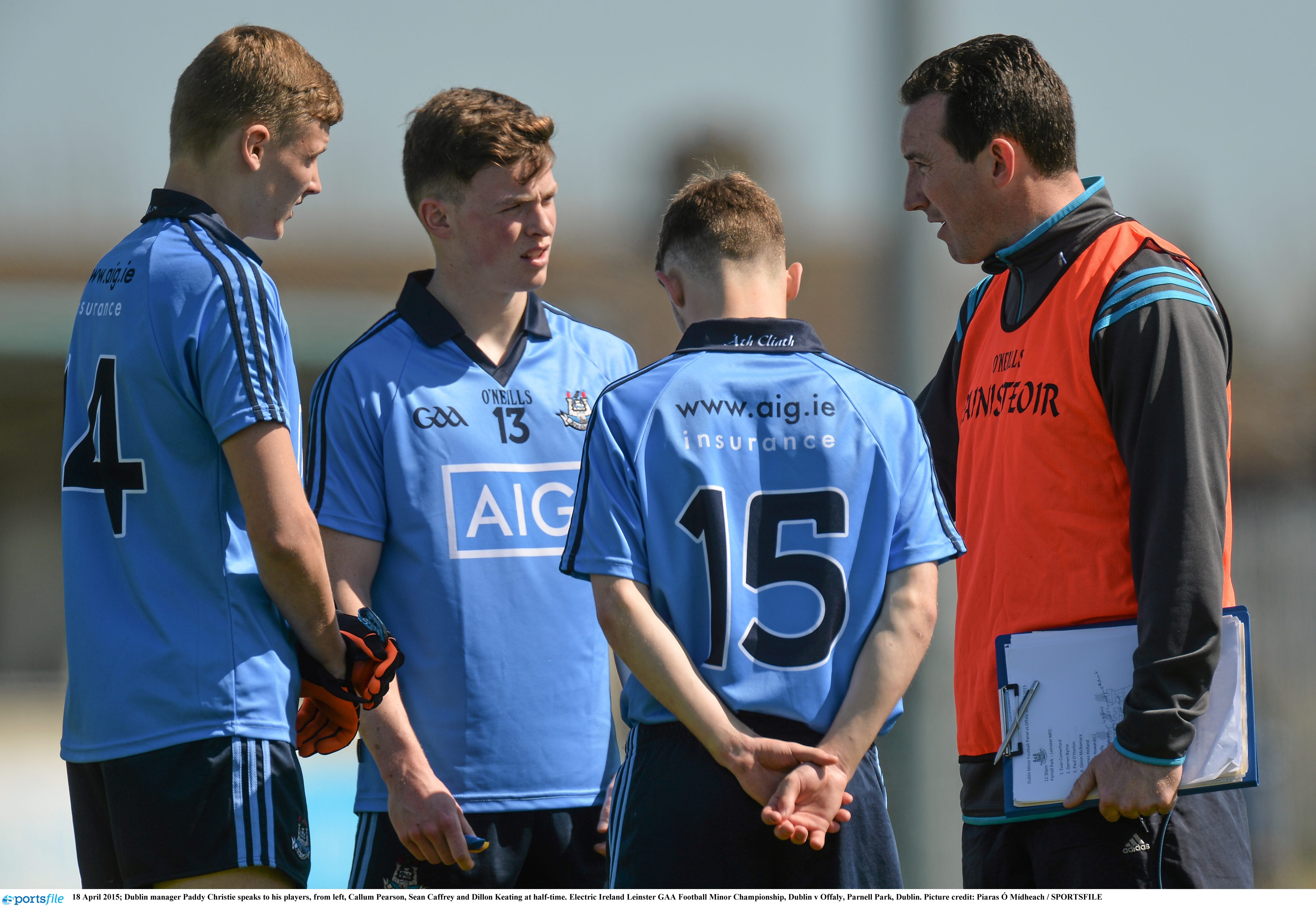 "Because it's not happening very obviously in front of your eyes, it doesn't mean it's not happening. The damage is being done in a very drip, drip sort of a way. I would have seen that last year as time wore on, from schools closing in March until August - I could see my own two kids were withdrawing, they were shadows of themselves.
"It's all well and good protecting people and protecting the elderly, but when you have kids who look like shadows of themselves, you would have to question whether this approach is the right approach."
The balance between benefit and risk has gone to the dogs.
"My daughter plays for the girls under-8s team in Ballymun. She was going out for training every Wednesday out on an all-weather pitch in the wide open. I wouldn't know the stats but that must be particularly low-risk.
"I obviously don't want to see the elderly sick or people dying. But the response has to be proportionate. For the damage that's been done to the youth of society, is the response too strong to shut down everything like this when the percentages of people getting sick is very low?"
The effects won't end there. Many studies have shown that the most important period in a person's development takes place between the ages 8-12. This goes for sport and academics. It's at this age when they hone their skills and develop an interest. In the lock-down, the interest is waning, skills are being ignored.
"The physical side of it too, we've been talking about obesity - that's been gradually getting worse in Ireland - for years. You're trying to get people more active, but then you're restricting them from playing sports. I've even seen people kicking up a stink about people jogging in the park, saying they should be wearing masks. It's gone too far.
"There are hurdles in the way now that we just didn't need. It was difficult enough to get young people into physical activity as it was. Niall Moyna in DCU talks about it a lot, but it's the bottom 25% of kids who are suffering. A few months of this sort of sedentary behaviour, hanging around, doing very little, makes it hard for them to come back, it's hard to get out of that rut.
"It's grand for the naturally athletic kid whose parents are into sport and so on, but for the child who might be in a difficult background, where there isn't a tradition of sport or health - maybe we were making progress in the last while in making sport a more widespread thing - but this last year will have put paid to that because those kids have no real opportunities now."
Christie feels that sporting organisations must stand up and be counted.
"I think the GAA handled it very well last year. I thought they were very calm and respectful of a delicate situation. But a year on, I think they need to be more aggressive. They need to try and pull some of this back. At this stage they need to say 'we've done that, we do want to keep everything safe, but at the end of the day, we need kids to get back and be active for all the reasons we've always spoken about.' Can this be done safely outside? I'd assume it can. If not, there should be serious evidence out there as to why they can't restart. I haven't seen any major evidence that says it's a dangerous thing to do."
"You're hearing a lot about depression, suicides and mental health issues. With this thing, in years to come, will we look back and say, we got that wrong?"
Because in all fairness, what is life if we're not living?
"Because it's not happening very obviously in front of your eyes, it doesn't mean it's not happening. The damage is being done in a very drip, drip sort of a way. I would have seen that last year as time wore on, from schools closing in March until August - I could see my own two kids were withdrawing, they were shadows of themselves.
"It's all well and good protecting people and protecting the elderly, but when you have kids who look like shadows of themselves, you would have to question whether this approach is the right approach."
The balance between benefit and risk has gone to the dogs.
"My daughter plays for the girls under-8s team in Ballymun. She was going out for training every Wednesday out on an all-weather pitch in the wide open. I wouldn't know the stats but that must be particularly low-risk.
"I obviously don't want to see the elderly sick or people dying. But the response has to be proportionate. For the damage that's been done to the youth of society, is the response too strong to shut down everything like this when the percentages of people getting sick is very low?"
The effects won't end there. Many studies have shown that the most important period in a person's development takes place between the ages 8-12. This goes for sport and academics. It's at this age when they hone their skills and develop an interest. In the lock-down, the interest is waning, skills are being ignored.
"The physical side of it too, we've been talking about obesity - that's been gradually getting worse in Ireland - for years. You're trying to get people more active, but then you're restricting them from playing sports. I've even seen people kicking up a stink about people jogging in the park, saying they should be wearing masks. It's gone too far.
"There are hurdles in the way now that we just didn't need. It was difficult enough to get young people into physical activity as it was. Niall Moyna in DCU talks about it a lot, but it's the bottom 25% of kids who are suffering. A few months of this sort of sedentary behaviour, hanging around, doing very little, makes it hard for them to come back, it's hard to get out of that rut.
"It's grand for the naturally athletic kid whose parents are into sport and so on, but for the child who might be in a difficult background, where there isn't a tradition of sport or health - maybe we were making progress in the last while in making sport a more widespread thing - but this last year will have put paid to that because those kids have no real opportunities now."
Christie feels that sporting organisations must stand up and be counted.
"I think the GAA handled it very well last year. I thought they were very calm and respectful of a delicate situation. But a year on, I think they need to be more aggressive. They need to try and pull some of this back. At this stage they need to say 'we've done that, we do want to keep everything safe, but at the end of the day, we need kids to get back and be active for all the reasons we've always spoken about.' Can this be done safely outside? I'd assume it can. If not, there should be serious evidence out there as to why they can't restart. I haven't seen any major evidence that says it's a dangerous thing to do."
"You're hearing a lot about depression, suicides and mental health issues. With this thing, in years to come, will we look back and say, we got that wrong?"
Because in all fairness, what is life if we're not living?Explore more on these topics:


