

Share
31st December 2016
11:59pm GMT

 The new rules will also see more clarity and focus on the pressing issue of eye-pokes. There is now a hard and fast rule whereby referees are allowed to stop the action and warn any fighter who extends his or her fingers in the direction of an opponent's eyes and encourage them to either close their fists or point their fingers upwards. Repeat offenders will see points deducted and if it continues beyond that then disqualifications are possible.
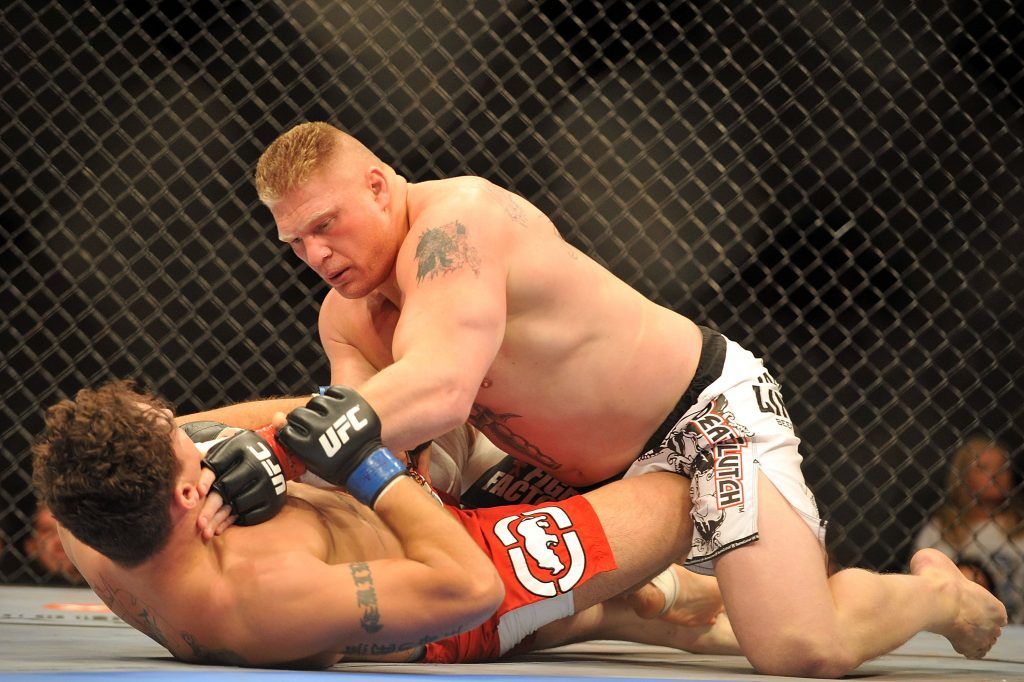
The notion of what constitutes a grounded fighter has also been revisited in the updated rule set. The previous rule, based upon the boxing model, stated that when a fighter had anything other than the soles of his/her feet on the ground then they would be considered grounded but, of course, that prompted cynical foul-drawing with fighters reaching down to put a fingertip on the mat and hoping to be kneed or kicked so that a point would be taken from the opponent. No longer will one hand on the canvas constitute a grounded fighter. Now it will require both hands to be touching the mat before a referee will consider someone grounded.
The new rules will also see more clarity and focus on the pressing issue of eye-pokes. There is now a hard and fast rule whereby referees are allowed to stop the action and warn any fighter who extends his or her fingers in the direction of an opponent's eyes and encourage them to either close their fists or point their fingers upwards. Repeat offenders will see points deducted and if it continues beyond that then disqualifications are possible.
The notion of what constitutes a grounded fighter has also been revisited in the updated rule set. The previous rule, based upon the boxing model, stated that when a fighter had anything other than the soles of his/her feet on the ground then they would be considered grounded but, of course, that prompted cynical foul-drawing with fighters reaching down to put a fingertip on the mat and hoping to be kneed or kicked so that a point would be taken from the opponent. No longer will one hand on the canvas constitute a grounded fighter. Now it will require both hands to be touching the mat before a referee will consider someone grounded.
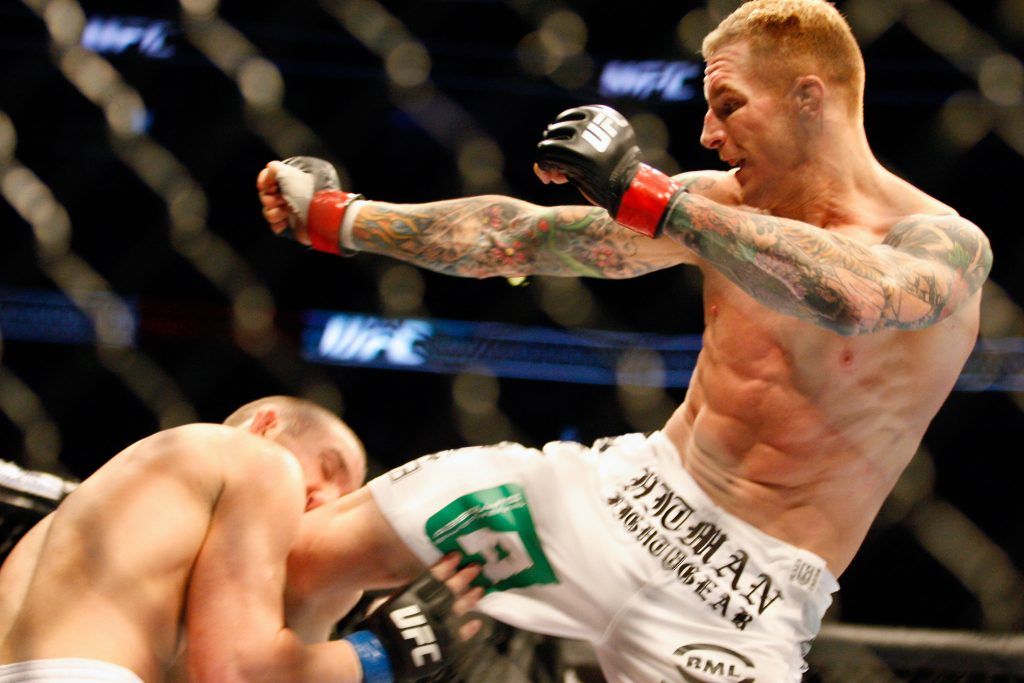 Fight fans will rejoice to learn that the currently vague and divisive judging criteria have received some much-needed updating. The past model, again based on boxing, was formulated in 1999 and fighters were rewarded for effective striking, effective grappling, aggression and ring or cage control. But the importance of one of those elements over another - i.e. how many significant strikes is a positional advantage worth? - led to much confusion.
Thankfully, judges now have been instructed to judge initially only the striking and grappling in each round so that ineffective aggression or simply controlling position are secondary to the primary elements of a fight. McCarthy clarifies this as follows: "If 90 per cent of the round is striking, we want you to go with a heavy emphasis on the striking. If 90 per cent of the fight was on the ground with grappling, the heavier emphasis goes with the grappling. Who is doing the most to impact the fight and bring a fight to an end. That's what we're looking for."
Impact, also known as damage, will be the most important element in offering credit to a certain fighter which is understandable. A jab obviously ought to warrant less credit than a flush knee or kick and the new rules will allow judges more clarity on their jobs. The hope is also that, unlike boxing, MMA doesn't become a numbers game where merely volume is rewarded. A single heavy, damaging shot will be worth significantly more than pitter-patter shots from here on out. When it comes to the grappling realm and impact, the fighter actively pursuing the submission finish will be rewarded more than a fighter looking to control position.
Fight fans will rejoice to learn that the currently vague and divisive judging criteria have received some much-needed updating. The past model, again based on boxing, was formulated in 1999 and fighters were rewarded for effective striking, effective grappling, aggression and ring or cage control. But the importance of one of those elements over another - i.e. how many significant strikes is a positional advantage worth? - led to much confusion.
Thankfully, judges now have been instructed to judge initially only the striking and grappling in each round so that ineffective aggression or simply controlling position are secondary to the primary elements of a fight. McCarthy clarifies this as follows: "If 90 per cent of the round is striking, we want you to go with a heavy emphasis on the striking. If 90 per cent of the fight was on the ground with grappling, the heavier emphasis goes with the grappling. Who is doing the most to impact the fight and bring a fight to an end. That's what we're looking for."
Impact, also known as damage, will be the most important element in offering credit to a certain fighter which is understandable. A jab obviously ought to warrant less credit than a flush knee or kick and the new rules will allow judges more clarity on their jobs. The hope is also that, unlike boxing, MMA doesn't become a numbers game where merely volume is rewarded. A single heavy, damaging shot will be worth significantly more than pitter-patter shots from here on out. When it comes to the grappling realm and impact, the fighter actively pursuing the submission finish will be rewarded more than a fighter looking to control position.
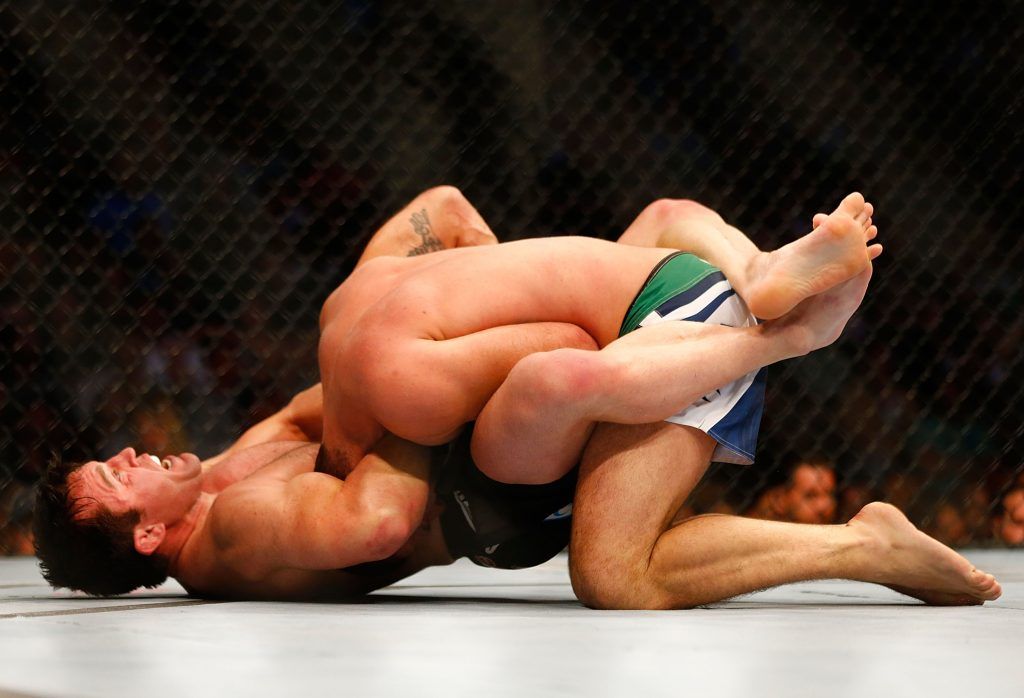 If the striking and grappling in any given round cancels the other out and a round winner cannot be decided based on those criteria, then aggression will be the deciding criterion. If that doesn't assist a judge in separating the fighters, then ring or cage control must be considered. And if that cannot bring about a clear winner, the judge is instructed to score that round 10-10.
The scoring of rounds has also received more clarity in the hope that less contentious decisions will be arrived at. The simple system for judges to score a round, and ultimately a fight, will be through damage, domination and duration. If a fighter records damage and domination on his/her opponent in a round, the scoring judge is encouraged to award a 10-8 round. A lengthy explanation on the relationship between damage, domination and duration is given at the 12 minute mark of the below video.
https://www.youtube.com/watch?v=rgudcUzW88I
If the striking and grappling in any given round cancels the other out and a round winner cannot be decided based on those criteria, then aggression will be the deciding criterion. If that doesn't assist a judge in separating the fighters, then ring or cage control must be considered. And if that cannot bring about a clear winner, the judge is instructed to score that round 10-10.
The scoring of rounds has also received more clarity in the hope that less contentious decisions will be arrived at. The simple system for judges to score a round, and ultimately a fight, will be through damage, domination and duration. If a fighter records damage and domination on his/her opponent in a round, the scoring judge is encouraged to award a 10-8 round. A lengthy explanation on the relationship between damage, domination and duration is given at the 12 minute mark of the below video.
https://www.youtube.com/watch?v=rgudcUzW88I
Explore more on these topics:


