

Share
27th September 2022
05:28pm BST

"I was inspired by the idea of doing a history of an iconic club. The goal was to a proper, historical telling of the club from the get-go."
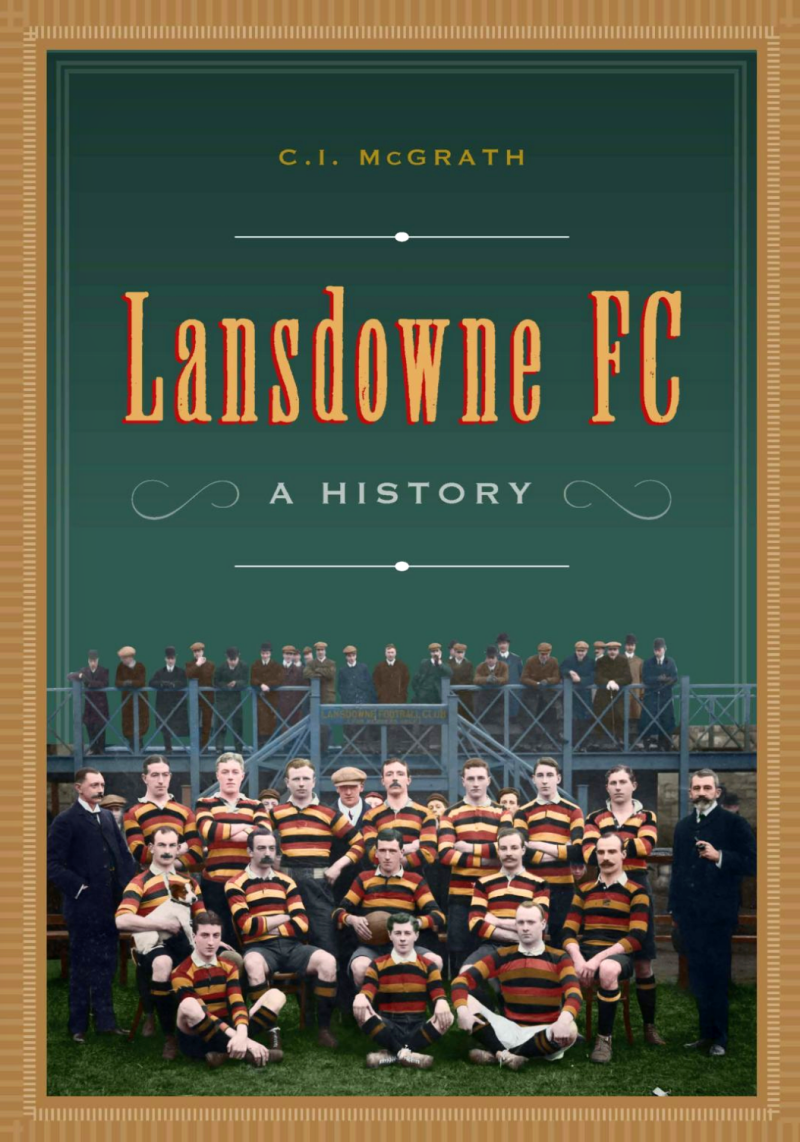
"From 1914 until 1918, there were no clubs and schools rugby matches. There was the odd charity game... It affected clubs an awful lot. "73 members of Lansdowne FC died fighting on the Western Front and in places like Gallipoli. The club had 300 members in 1914 and, by 1918, that was down to 30. Some clubs, across the country, did not re-emerge."The club did eventually get back motoring again, following World War I and was a bustling enterprise again, as the decades ticked by. On the junior rugby side of operations, there were playing stints at Kimmage Grove, Knocklyon and sharing pitches with Old Wesley, out in Sandyford. There were challenges along the way, says Ivar McGrath, but one of the most divisive revolved around club teams and the Ireland rugby team facing off against South African sides during the apartheid era.
"Of course we can look back now," he says, "and say it was a no-brainer, and that we should not be sending Irish teams to play in South Africa. However, it was not as clear-cut back then, in the late 1970s and early 80s. A considerable number of people had no issue with sending touring sides there while others were joining protest marches down to Lansdowne Road."[caption id="attachment_273081" align="aligncenter" width="800"]
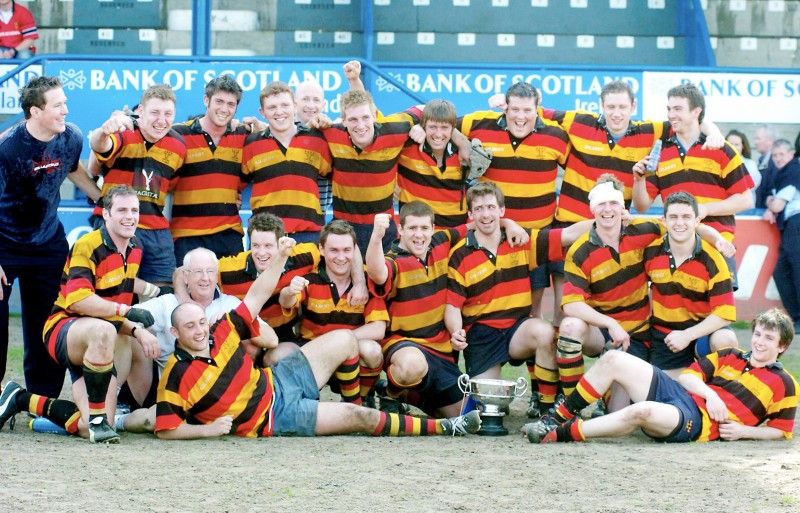 Lansdowne players and staff celebrate following their side's victory of a Leinster Junior 1 League Final match against UCD, at Donnybrook Stadium, in 2004. (Photo by Brian Lawless/Sportsfile)[/caption]
"Very quickly, the IRFU made it clear that the order was to be the national team, the provinces and the clubs."There would be no Lansdowne, Cork Con and Garryowen mixing it in the Heineken Cup. Instead, it would be Leinster, Munster, Connacht and Ulster. The clubs that did not like it, had to lump it. Lansdowne themselves "tinkered" with the concept of paying club players, while other clubs went further and soon found it was not sustainable as crowds dwindled and interest rose in the four provincial sides. It was decided that the coaches would be paid but club players would remain amateurs, unless aligned with a province. The big question, back in the late 90s, was 'will we get to play Gordon D'Arcy and Shane Horgan'. The clubs did get decent minutes out of their big names, back then, but the advent of the Celtic League [now the United Rugby Championship] saw that change. Clubs like Lansdowne now feed into the Leinster Rugby talent conveyor belt, along with an enviable schools rugby system, but the club also has players that have ended up achieving success further afield, such as Tadhg Beirne (Munster), Oisín Dowling, Tom Daly, Paul Boyle and Tom Farrell (Connacht). Lansdowne FC: A History is as much a story about one Dublin club as it is rugby in Ireland, and all of the challenges it has faced and triumphs it has enjoyed over 150 years. *Anyone interested in picking up a copy of Lansdowne FC: A History, you can find more on it here.
Explore more on these topics:


