

Share
25th January 2016
05:21pm GMT

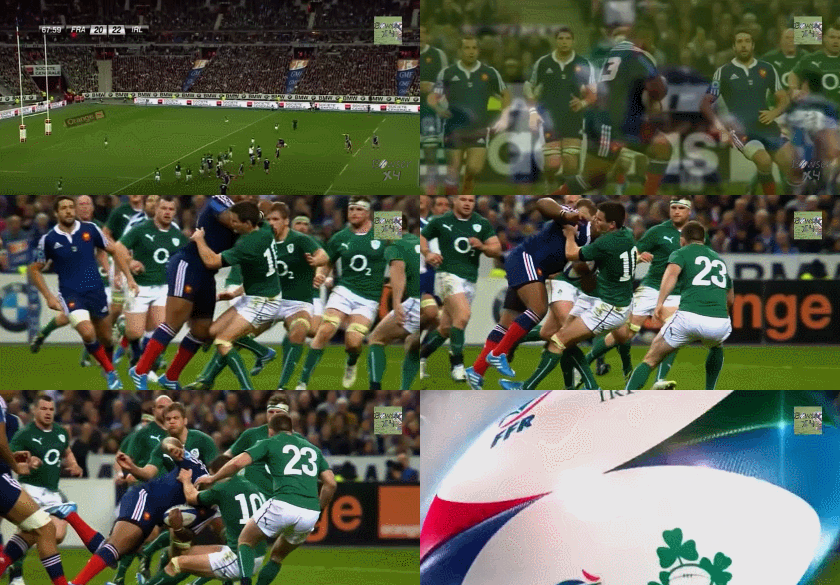 Disregarding Saturday's head injury, Sexton has still suffered four concussions in 25 months. The No 10 has played 55 matches since the start of 2014, which - if Saturday's incident is discounted - means he is averaging a concussion every 13.75 times he plays.
It is not sensationalist to note that Sexton has suffered a high number of concussions when compared to the accepted average stated by the the IRFU's own head of medical services.
In the last two seasons we have seen a number of high-profile retirements due to concussion - including Sexton's erstwhile Leinster team-mate Kevin McLaughlin, Ulster's Declan Fitzpatrick, former Connacht captain Craig Clarke, Shontayne Hape and Jonathan Thomas, the former Wales flanker who developed epilepsy.
It is not sensationalist to ask about the impact of repeated head injuries on professional athletes, particularly when you look at American football - where a class action lawsuit brought by former players and their families saw the NFL cover the cost of concussion-related compensation.
Disregarding Saturday's head injury, Sexton has still suffered four concussions in 25 months. The No 10 has played 55 matches since the start of 2014, which - if Saturday's incident is discounted - means he is averaging a concussion every 13.75 times he plays.
It is not sensationalist to note that Sexton has suffered a high number of concussions when compared to the accepted average stated by the the IRFU's own head of medical services.
In the last two seasons we have seen a number of high-profile retirements due to concussion - including Sexton's erstwhile Leinster team-mate Kevin McLaughlin, Ulster's Declan Fitzpatrick, former Connacht captain Craig Clarke, Shontayne Hape and Jonathan Thomas, the former Wales flanker who developed epilepsy.
It is not sensationalist to ask about the impact of repeated head injuries on professional athletes, particularly when you look at American football - where a class action lawsuit brought by former players and their families saw the NFL cover the cost of concussion-related compensation.
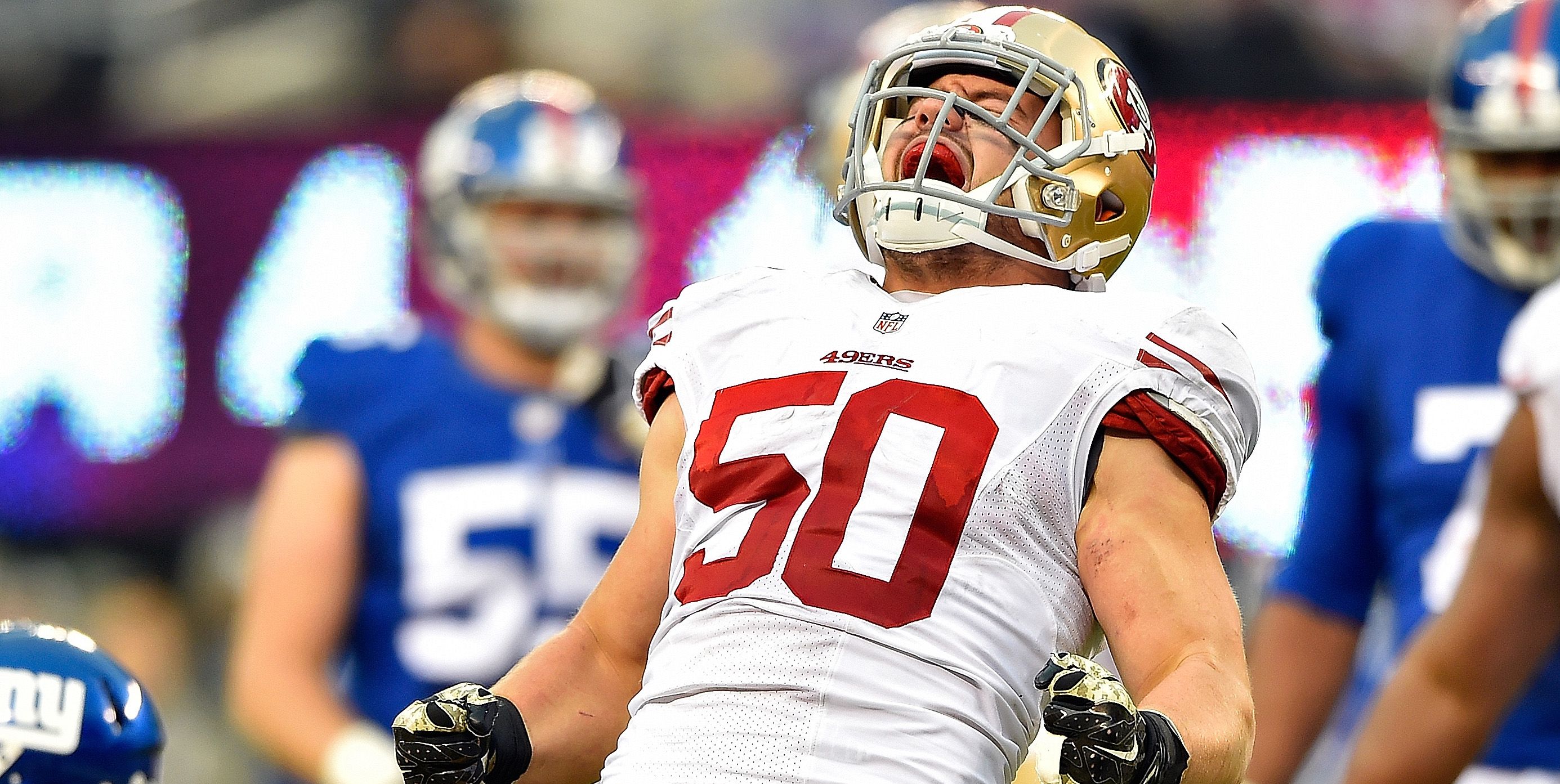 When you have rookie players like Chris Borland retiring at the age of 24 following a "minor concussion" in training you can see that it is players, and not just the media, who are worried about the long-term effects of head injuries.
Luke Marshall's return to the Ireland squad for the Six Nations is proof that a player with a history of concussive episodes can go on to have a successful career.
The Ulster centre suffered four concussions between March 2013 and February 2014, which is the same number we know Sexton to have suffered in 2014.
The confusion surrounding Sexton's injury is proof that concussion remains a delicate issues for teams and players, but that does not mean it shouldn't be discussed.
It is not "inappropriate" to ask these questions or to highlight concussion in rugby, which remains a dizzying issue.
When you have rookie players like Chris Borland retiring at the age of 24 following a "minor concussion" in training you can see that it is players, and not just the media, who are worried about the long-term effects of head injuries.
Luke Marshall's return to the Ireland squad for the Six Nations is proof that a player with a history of concussive episodes can go on to have a successful career.
The Ulster centre suffered four concussions between March 2013 and February 2014, which is the same number we know Sexton to have suffered in 2014.
The confusion surrounding Sexton's injury is proof that concussion remains a delicate issues for teams and players, but that does not mean it shouldn't be discussed.
It is not "inappropriate" to ask these questions or to highlight concussion in rugby, which remains a dizzying issue.Explore more on these topics:


