

Share
29th January 2015
11:34am GMT

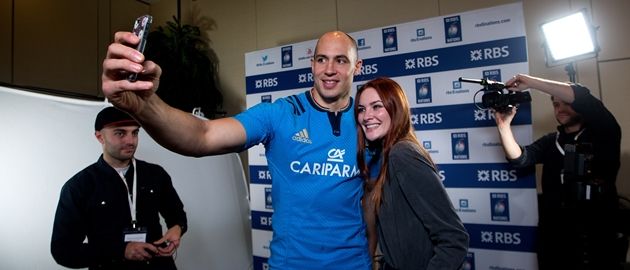 The 2015 Six Nations was launched in London yesterday, and, everywhere they could, the organisers were dropping in 'Rugby's Greatest Championship'. It is a debatable claim and one the Southern Hemisphere's Rugby Championship openly contested on Twitter.
https://twitter.com/SanzarTRC/status/559955371389751296
While the Six Nations [in its various three, four, five and six-team guises] is certainly the oldest Test competition, the expansive brand of rugby played south of the equator often leaves Europe's blood and thunder fare in the shade.
Since 1995, however, The Tri-Nations/Rugby Championship has been on pay-TV. There were grumbles at the time - and Australians still complain about their lack of national, terrestrial TV coverage - but the game has survived.
The question is: Do Six Nations organisers dare to take that risk?
Ireland's Championship-clinching win over France, last March, had approximately 891,000 Irish viewers tuning in to RTE Two. The away defeat to England had 717,000 viewers.
Sky, one of the broadcasters that would surely bid for coverage rights, has Irish subscribers of approximately 630,000 but a fraction [less than half] of those have the full sports package. At present, the maximum reach for an Ireland game would be 300,000; half that again if BT Sport or Setanta were to win the rights.
The 2015 Six Nations was launched in London yesterday, and, everywhere they could, the organisers were dropping in 'Rugby's Greatest Championship'. It is a debatable claim and one the Southern Hemisphere's Rugby Championship openly contested on Twitter.
https://twitter.com/SanzarTRC/status/559955371389751296
While the Six Nations [in its various three, four, five and six-team guises] is certainly the oldest Test competition, the expansive brand of rugby played south of the equator often leaves Europe's blood and thunder fare in the shade.
Since 1995, however, The Tri-Nations/Rugby Championship has been on pay-TV. There were grumbles at the time - and Australians still complain about their lack of national, terrestrial TV coverage - but the game has survived.
The question is: Do Six Nations organisers dare to take that risk?
Ireland's Championship-clinching win over France, last March, had approximately 891,000 Irish viewers tuning in to RTE Two. The away defeat to England had 717,000 viewers.
Sky, one of the broadcasters that would surely bid for coverage rights, has Irish subscribers of approximately 630,000 but a fraction [less than half] of those have the full sports package. At present, the maximum reach for an Ireland game would be 300,000; half that again if BT Sport or Setanta were to win the rights.
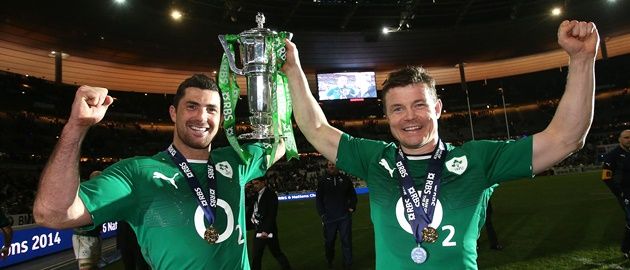 The free versus pay-TV discussion is not confined to these shores. French broadcaster Canal+ regularly release viewing figures for its rugby coverage [free and paid]. For the last round of Champions Cup coverage, on Sunday, January 25, it attracted just over 30,000 viewers.
Feehan argued that, as Six Nations is 'Category B' on Listed Events for sports, pay-TV would be allowed as long as there is sufficient free-to-air coverage, such as a delayed broadcast or highlights. 'It is not like it would be off the screen or anything like that,' he proclaimed.
Ireland's football friendlies are now screened on Sky Sports with delayed coverage on RTE afterwards. Thanks to Twitter, Vine and various websites, most supporters will know, and have witnessed, all the major talking points before the free-to-air version hits our screens.
As a result, Martin O'Neill's Ireland find themselves battling to be part of a conversation they once dominated.
The rugby team have filled the void in recent years with a number of fine performances.
Still, they could find themselves slipping out of the public consciousness again if the only place to see them, live, is by signing up for an annual TV sports subscription or [for adults] shelling out anywhere between €55 and €130 for a ticket to the Aviva Stadium.
*Hat-tip to Wales Online for the Feehan comments
The free versus pay-TV discussion is not confined to these shores. French broadcaster Canal+ regularly release viewing figures for its rugby coverage [free and paid]. For the last round of Champions Cup coverage, on Sunday, January 25, it attracted just over 30,000 viewers.
Feehan argued that, as Six Nations is 'Category B' on Listed Events for sports, pay-TV would be allowed as long as there is sufficient free-to-air coverage, such as a delayed broadcast or highlights. 'It is not like it would be off the screen or anything like that,' he proclaimed.
Ireland's football friendlies are now screened on Sky Sports with delayed coverage on RTE afterwards. Thanks to Twitter, Vine and various websites, most supporters will know, and have witnessed, all the major talking points before the free-to-air version hits our screens.
As a result, Martin O'Neill's Ireland find themselves battling to be part of a conversation they once dominated.
The rugby team have filled the void in recent years with a number of fine performances.
Still, they could find themselves slipping out of the public consciousness again if the only place to see them, live, is by signing up for an annual TV sports subscription or [for adults] shelling out anywhere between €55 and €130 for a ticket to the Aviva Stadium.
*Hat-tip to Wales Online for the Feehan commentsExplore more on these topics:

Rugby | SportsJOE
rugby


