

Share
11th December 2017
01:10pm GMT

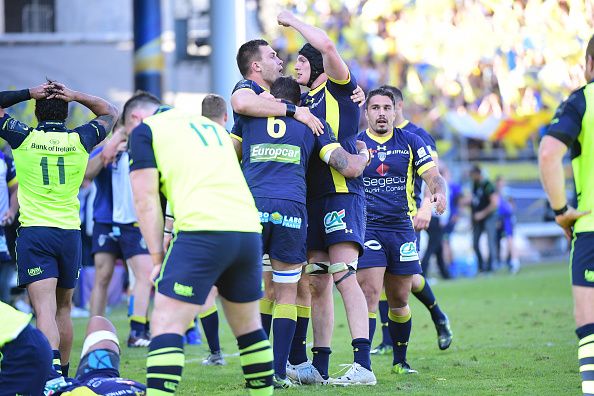 Leinster are still desperately trying to find a way back to the European alter after a messy breakup with Matt O'Connor, following their amicable split from former partner Joe Schmidt, and while Lancaster has provided some gloss and some polish to the latest relationship between province and coach, Leinster are still at their best when they feed off the embers of a former flame.
Old Habits Die Hard
The shadow of Schmidt still looms large over Belfield, partly because so many of Leinster's squad have been involved with the New Zealander at international level, but also because Schmidt laid the most trusted blueprint of success.
Matt O'Connor may have won a PRO12 title during his first season at Leinster, but Schmidt led the province to consecutive European titles on the back of a game plan that thrived on limiting turnovers, maximising pressure and prioritising accuracy at the set-piece, breakdown and through the air.
Leinster were at their best on Sunday as they dominated an Exeter Chiefs side that leads the Premiership with 36 tries in 10 matches.
Leinster limited this juggernaut to just eight points, their lowest mark this season, an incredible feat considering Rob Baxter's side had been averaging 29.6 points per game heading into this weekend's match at Sandy Park.
Leo Cullen's side held the high-scoring Chiefs to just the single score as winger James Short finished off a brilliant break from Olly Woodburn, but it was Exeter's only try of the game as the hosts ran into a Leinster side that starved them of possession and territory.
How do you stop one of the best attacking teams in Europe? Suffocate them.
Leinster are still desperately trying to find a way back to the European alter after a messy breakup with Matt O'Connor, following their amicable split from former partner Joe Schmidt, and while Lancaster has provided some gloss and some polish to the latest relationship between province and coach, Leinster are still at their best when they feed off the embers of a former flame.
Old Habits Die Hard
The shadow of Schmidt still looms large over Belfield, partly because so many of Leinster's squad have been involved with the New Zealander at international level, but also because Schmidt laid the most trusted blueprint of success.
Matt O'Connor may have won a PRO12 title during his first season at Leinster, but Schmidt led the province to consecutive European titles on the back of a game plan that thrived on limiting turnovers, maximising pressure and prioritising accuracy at the set-piece, breakdown and through the air.
Leinster were at their best on Sunday as they dominated an Exeter Chiefs side that leads the Premiership with 36 tries in 10 matches.
Leinster limited this juggernaut to just eight points, their lowest mark this season, an incredible feat considering Rob Baxter's side had been averaging 29.6 points per game heading into this weekend's match at Sandy Park.
Leo Cullen's side held the high-scoring Chiefs to just the single score as winger James Short finished off a brilliant break from Olly Woodburn, but it was Exeter's only try of the game as the hosts ran into a Leinster side that starved them of possession and territory.
How do you stop one of the best attacking teams in Europe? Suffocate them.
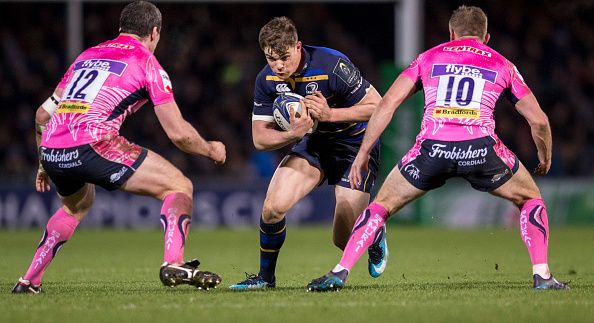 Leinster dominated possession (66%) and territory (68%), while they kicked the ball more (35:19), ran the ball more (180:96) and beat nearly four times as many defenders (31:8).
They also conceded less turnovers (5:17), less penalties (6:7) and made less tackles (114:227) at a higher completion rate (93%:88%).
At the set-piece they were near perfect, winning all of their scrums and failing to hit on just one of their line-outs, a crooked throw from replacement hooker James Tracy.
The statistics support their efficiency, but ruthlessness cannot always be quantified.
With Exeter tighthead prop Harry Williams struggling to live with Cian Healy at scrum-time, referee Romain Poite warned Williams to hold his ground before Leinster went right back at him.
A minute later and Williams was jogging towards the sidelines as Exeter had been temporarily reduced to 14 players.
Luke McGrath's disallowed try, a brilliant sweeping move down the left flank that saw the scrum-half swan dive his way over the try line, was brought back after the TMO ruled that Sexton had put his foot in touch before delivering the final pass.
Leinster dominated possession (66%) and territory (68%), while they kicked the ball more (35:19), ran the ball more (180:96) and beat nearly four times as many defenders (31:8).
They also conceded less turnovers (5:17), less penalties (6:7) and made less tackles (114:227) at a higher completion rate (93%:88%).
At the set-piece they were near perfect, winning all of their scrums and failing to hit on just one of their line-outs, a crooked throw from replacement hooker James Tracy.
The statistics support their efficiency, but ruthlessness cannot always be quantified.
With Exeter tighthead prop Harry Williams struggling to live with Cian Healy at scrum-time, referee Romain Poite warned Williams to hold his ground before Leinster went right back at him.
A minute later and Williams was jogging towards the sidelines as Exeter had been temporarily reduced to 14 players.
Luke McGrath's disallowed try, a brilliant sweeping move down the left flank that saw the scrum-half swan dive his way over the try line, was brought back after the TMO ruled that Sexton had put his foot in touch before delivering the final pass.
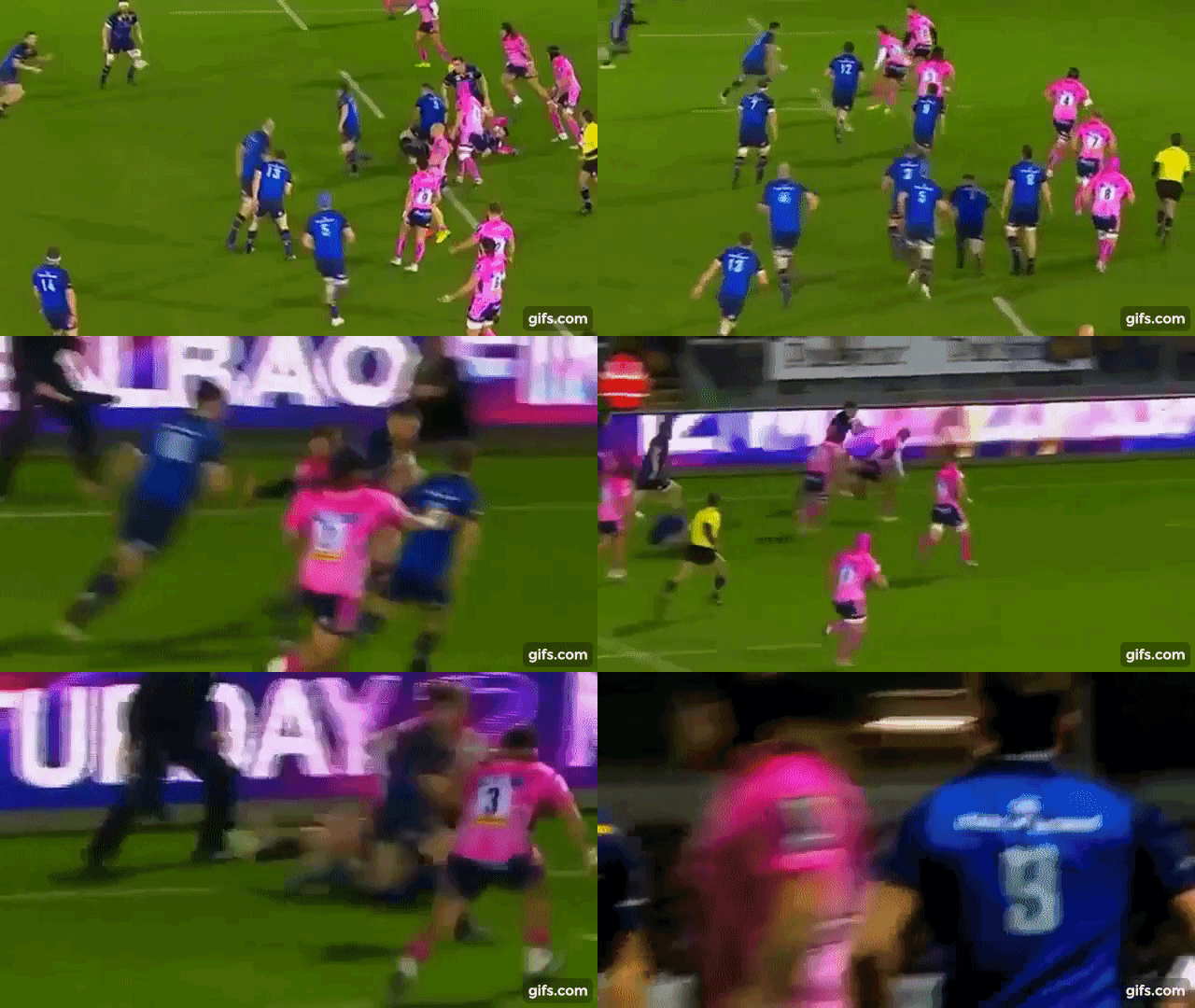 McGrath may not have been awarded the try, but his disallowed score encapsulated the yin of this team while Jack Conan highlighted the yang.
After 44 consecutive phases, most of which took place in front of the Exeter posts, Conan barreled his way over the tryline for the match sealing score in the 71st minute.
The number eight's try was patience personified, as Leinster did a supreme job of retaining and recycling the ball before ultimately nudging their way close to the line and charging over the chalk.
It would be cliche to say that attack wins games while defence wins championships, there's an element to that theory in all sports, but efficiency, accuracy and winning the possession and the territory battle are still the major trump cards in rugby.
It just helps when you can also draw on a couple of aces.
McGrath may not have been awarded the try, but his disallowed score encapsulated the yin of this team while Jack Conan highlighted the yang.
After 44 consecutive phases, most of which took place in front of the Exeter posts, Conan barreled his way over the tryline for the match sealing score in the 71st minute.
The number eight's try was patience personified, as Leinster did a supreme job of retaining and recycling the ball before ultimately nudging their way close to the line and charging over the chalk.
It would be cliche to say that attack wins games while defence wins championships, there's an element to that theory in all sports, but efficiency, accuracy and winning the possession and the territory battle are still the major trump cards in rugby.
It just helps when you can also draw on a couple of aces.
Explore more on these topics:


