

Share
20th June 2017
12:54pm BST

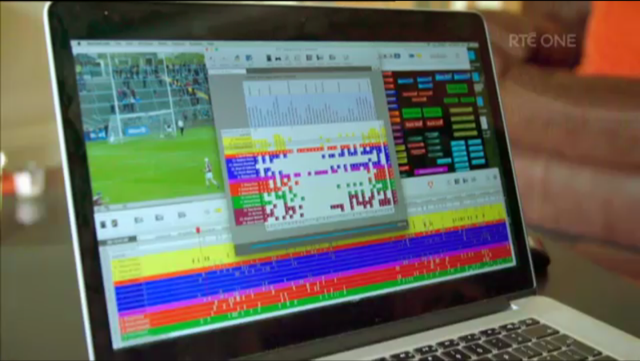 The Wexford camogie team have a system in place whereby each panel member logs onto a system every day in order to rate their energy levels, to classify the quality of their sleep from the night before out of 10, among many other questions as well.
Is this information so valuable to a team? Would a coach or a manager not be able to judge a player by how they perform at training? It shouldn't be that hard to do.
As well as this when a player has to log on to a system in order to provide such information every single day, would players not be getting sick of having their lives constantly revolving around the game?
Players enjoy being out of the playing loop, be it through work or their free time. It gives them an opportunity to relax, to not worry about the game. Are developments like this taking over the game and their lives so much, to the extent that the enjoyment of the game is being reduced?
There is constant daily pressure involved with our games now. Players inevitably become tired, they become exhausted. They're being trained to think like machines.
This programme didn't even scratch the surface of the weight given to sports psychology and the effects of it, the media and drinking bans placed on players.
Is it all gone too far?
One insight was given from the Waterford senior hurlers National Hurling League clash with Dublin in Croke Park. We were shown the work being done by their analysis team, led by Tomás O Cadhla, with some sat in the stands tracking every single action by the Déise hurlers in the game.
The Wexford camogie team have a system in place whereby each panel member logs onto a system every day in order to rate their energy levels, to classify the quality of their sleep from the night before out of 10, among many other questions as well.
Is this information so valuable to a team? Would a coach or a manager not be able to judge a player by how they perform at training? It shouldn't be that hard to do.
As well as this when a player has to log on to a system in order to provide such information every single day, would players not be getting sick of having their lives constantly revolving around the game?
Players enjoy being out of the playing loop, be it through work or their free time. It gives them an opportunity to relax, to not worry about the game. Are developments like this taking over the game and their lives so much, to the extent that the enjoyment of the game is being reduced?
There is constant daily pressure involved with our games now. Players inevitably become tired, they become exhausted. They're being trained to think like machines.
This programme didn't even scratch the surface of the weight given to sports psychology and the effects of it, the media and drinking bans placed on players.
Is it all gone too far?
One insight was given from the Waterford senior hurlers National Hurling League clash with Dublin in Croke Park. We were shown the work being done by their analysis team, led by Tomás O Cadhla, with some sat in the stands tracking every single action by the Déise hurlers in the game.
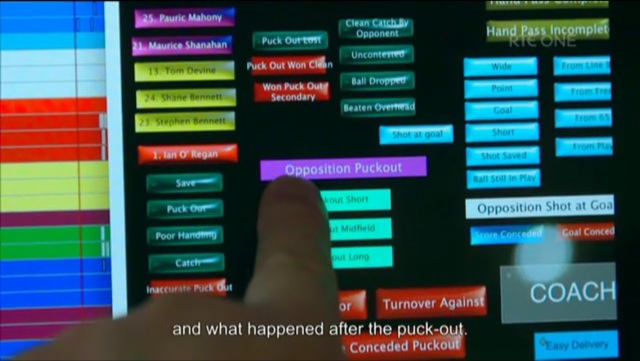 The level of this analysis was what was most surprising. The team of analysts were recording information based on every 'clean catch by an opponent,' every 'poor decision,' every 'uncontested ball.' This information was then being fed down to an intermediary on the sideline who would, in turn, deliver the information to Derek McGrath.
One has to ask the question, is this analysis being overdone? Is there an information overload? Are players receiving so much information, that the value of any information given to them is reduced? As presenter Dara Ó Cinnéide remarked, "I remember from my days (12 years ago he was playing for Kerry) that players like a simple message."
Like anything, when you're given too much information, in any walk of life, it can be impossible to register information and to differentiate between what is important to you and what, really, doesn't matter. Particularly on the field of play, where you have a split second to make an instinctive decision,
The reception of so much information would surely have a players' head boggled going out onto the field of play. There's nothing worse for a player than leaving the dressingroom with endless information weighing on your mind.
The GAA is an instinctive game, where hurlers and footballers, from as young as 10 or 12-years-old on the field are trained to express themselves. A player is at their best when they feel free, when they feel liberated and when the shackles are off.
Whatever the arguments against these developments are, the technology is here and it's here to stay. It's probably going to get even more developed in the future, too.
Are players enjoying and benefitting from all of these developments?
It appears that the game is being overthought.
The level of this analysis was what was most surprising. The team of analysts were recording information based on every 'clean catch by an opponent,' every 'poor decision,' every 'uncontested ball.' This information was then being fed down to an intermediary on the sideline who would, in turn, deliver the information to Derek McGrath.
One has to ask the question, is this analysis being overdone? Is there an information overload? Are players receiving so much information, that the value of any information given to them is reduced? As presenter Dara Ó Cinnéide remarked, "I remember from my days (12 years ago he was playing for Kerry) that players like a simple message."
Like anything, when you're given too much information, in any walk of life, it can be impossible to register information and to differentiate between what is important to you and what, really, doesn't matter. Particularly on the field of play, where you have a split second to make an instinctive decision,
The reception of so much information would surely have a players' head boggled going out onto the field of play. There's nothing worse for a player than leaving the dressingroom with endless information weighing on your mind.
The GAA is an instinctive game, where hurlers and footballers, from as young as 10 or 12-years-old on the field are trained to express themselves. A player is at their best when they feel free, when they feel liberated and when the shackles are off.
Whatever the arguments against these developments are, the technology is here and it's here to stay. It's probably going to get even more developed in the future, too.
Are players enjoying and benefitting from all of these developments?
It appears that the game is being overthought.Explore more on these topics:


